
The Importance of a Pothole Maintenance Program
How Potholes Impact Parking Operations
Potholes disrupt the functionality of your parking facility, creating uneven surfaces that can damage vehicles and discourage customers from using your lot. This can lead to a decline in customer satisfaction and a potential loss of revenue. Additionally, unresolved potholes can escalate into larger structural problems, resulting in costly repairs and operational downtime.
Table of Contents
Safety Hazards for Drivers and Pedestrians
Potholes pose significant safety risks to both drivers and pedestrians. Vehicles that hit potholes can sustain damage to their tires, suspensions, or alignment. For pedestrians, uneven surfaces increase the risk of trips and falls, potentially leading to injuries and liability claims against the facility owner.
Long-Term Financial Implications of Neglect
Ignoring potholes can lead to compounded repair costs over time. Minor damage may escalate into major structural issues that require complete resurfacing or replacement. Regular maintenance not only prolongs the life of your parking lot but also minimizes the likelihood of unexpected and expensive repairs.
Evaluating the Current Condition of Your Parking Facility
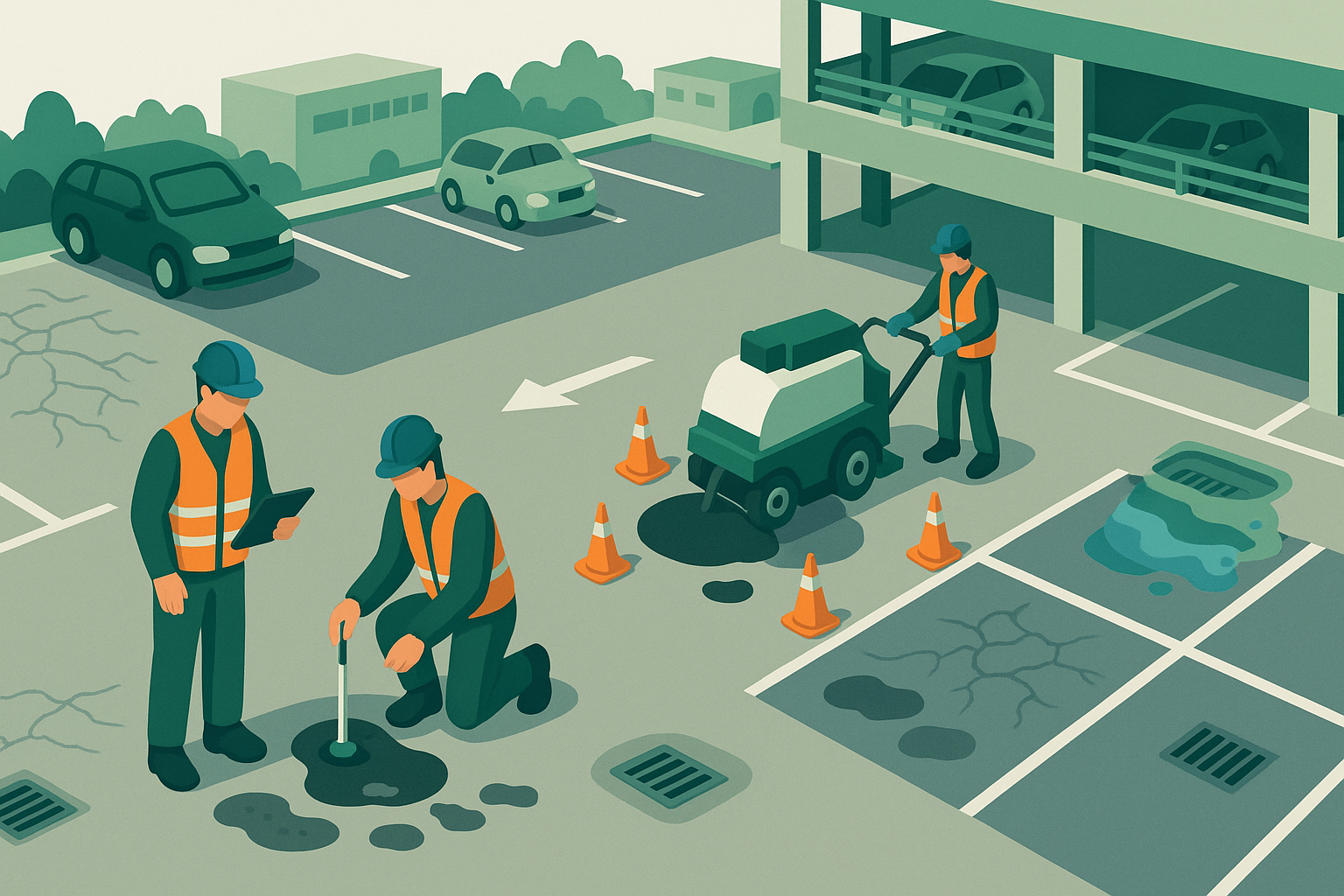
Steps to Conduct a Pavement Assessment
- Visual Inspection: Walk through the parking lot to identify visible damage, including cracks, potholes, and areas with water pooling.
- Measurement of Damage: Document the size, depth, and location of potholes to prioritize repairs.
- Review Past Repairs: Check maintenance records to assess recurring issues and the effectiveness of previous repairs.
Identifying Different Types of Pavement Damage
- Cracks: Early-stage damage that may lead to potholes if left untreated.
- Potholes: Cavities caused by water infiltration and repetitive stress.
- Ravelling: Surface deterioration where aggregate loosens and separates.
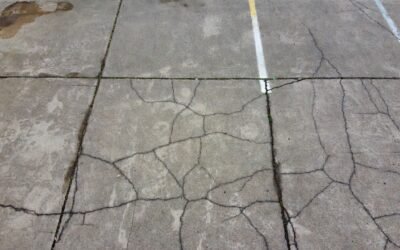
- Alligator Cracking: Interconnected cracks indicating underlying structural failure.
Using Modern Tools and Technology for Accurate Inspections
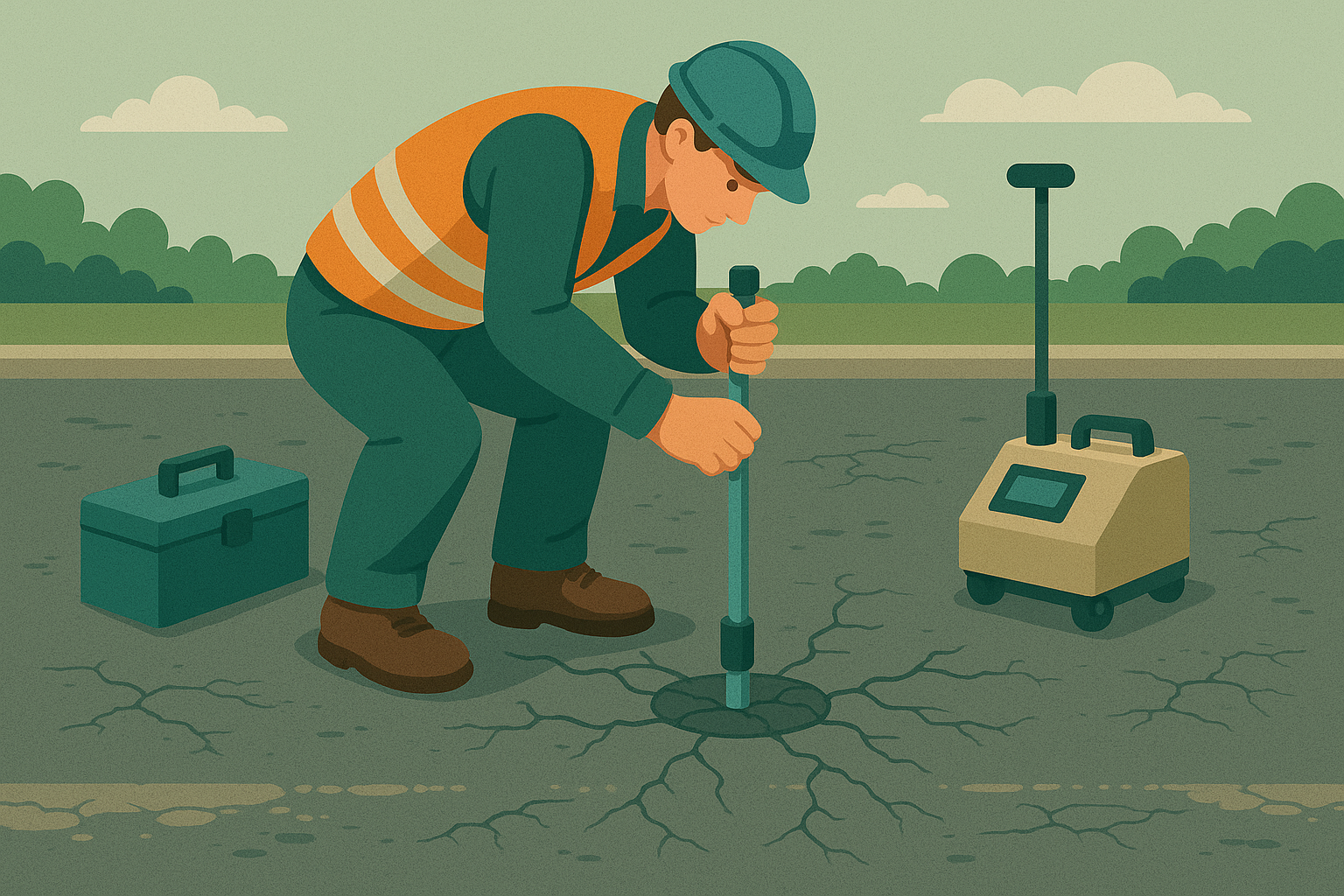
Advanced tools like laser scanners, ground-penetrating radar (GPR), and drone-based imaging can provide detailed data on pavement conditions. These technologies help identify subsurface issues that are not visible to the naked eye, enabling more accurate repair planning.
Defining Goals for Your Maintenance Program
Setting Repair Priorities Based on Facility Needs
Establishing repair priorities ensures that resources are directed toward the most critical issues. Focus on high-traffic areas or locations where potholes pose significant safety risks. Consider prioritizing sections with recurring damage, as addressing root causes can prevent future repairs. A clear prioritization strategy helps streamline decision-making and ensures that your facility remains functional and safe.
Short-Term Fixes vs. Long-Term Solutions
- Short-Term Fixes: Temporary solutions like cold patch asphalt are ideal for addressing immediate hazards or during colder months when permanent repairs may not be feasible. While cost-effective initially, these repairs often require frequent reapplication.
- Long-Term Solutions: Options like hot mix asphalt or infrared asphalt repair offer durable fixes. These methods are more labor-intensive and costly upfront but provide a longer lifespan, reducing maintenance frequency and overall costs.
Budget Planning and Resource Allocation
Budgeting is a critical component of a successful maintenance program. Begin by estimating costs for materials, labor, and equipment. Allocate funds for both routine maintenance and emergency repairs to ensure financial flexibility. Consider the long-term benefits of investing in durable solutions, which may reduce overall maintenance expenses. Leverage maintenance management software to track spending and plan effectively.
Selecting the Right Repair Methods
Cold Patch and Hot Mix Asphalt: Key Differences
| Feature | Cold Patch | Hot Mix Asphalt |
| Application | Easy to apply, requires no heating | Requires heating and specialized equipment |
| Durability | Temporary, ideal for quick fixes | Durable, designed for long-term use |
| Weather Conditions | Can be applied in cold or wet weather | Requires dry, warm conditions |
| Cost | Lower initial cost | Higher initial cost, but cost-effective long-term |
| Best Use Case | Emergency repairs or low-traffic areas | High-traffic or critical sections |
Pros and Cons of Infrared Asphalt Repairs
- Pros:
- Environmentally friendly as it recycles existing asphalt.
- Seamless repair with a smooth finish that integrates with the surrounding pavement.
- Quick application with minimal disruption to parking operations.
- Cons:
- Limited effectiveness for deep structural issues.
- Requires skilled operators and specialized equipment.
- Initial costs can be higher than traditional methods.
When to Use Temporary vs. Permanent Repairs
- Temporary Repairs: Use for immediate safety hazards or during seasons when permanent solutions are impractical. Temporary fixes like cold patching are cost-effective but should be monitored and replaced as needed.
- Permanent Repairs: Opt for permanent methods, such as hot mix asphalt or infrared repair, when conditions allow. These solutions provide a longer lifespan, reducing maintenance frequency and total costs over time.
By carefully evaluating your facility’s specific needs and the available repair methods, you can implement a maintenance program that balances cost, durability, and operational efficiency.
Preventing Potholes Before They Form
Routine Sealcoating and Crack Filling
Sealcoating is a preventive measure that protects your parking lot from UV rays, water, and chemicals that degrade asphalt over time. Applying a sealcoat every 2–3 years creates a protective barrier, extending the life of your pavement. Crack filling is equally important; sealing cracks as they appear prevents water from seeping beneath the surface, which can lead to pothole formation. Together, these measures minimize damage and reduce repair costs in the long term.
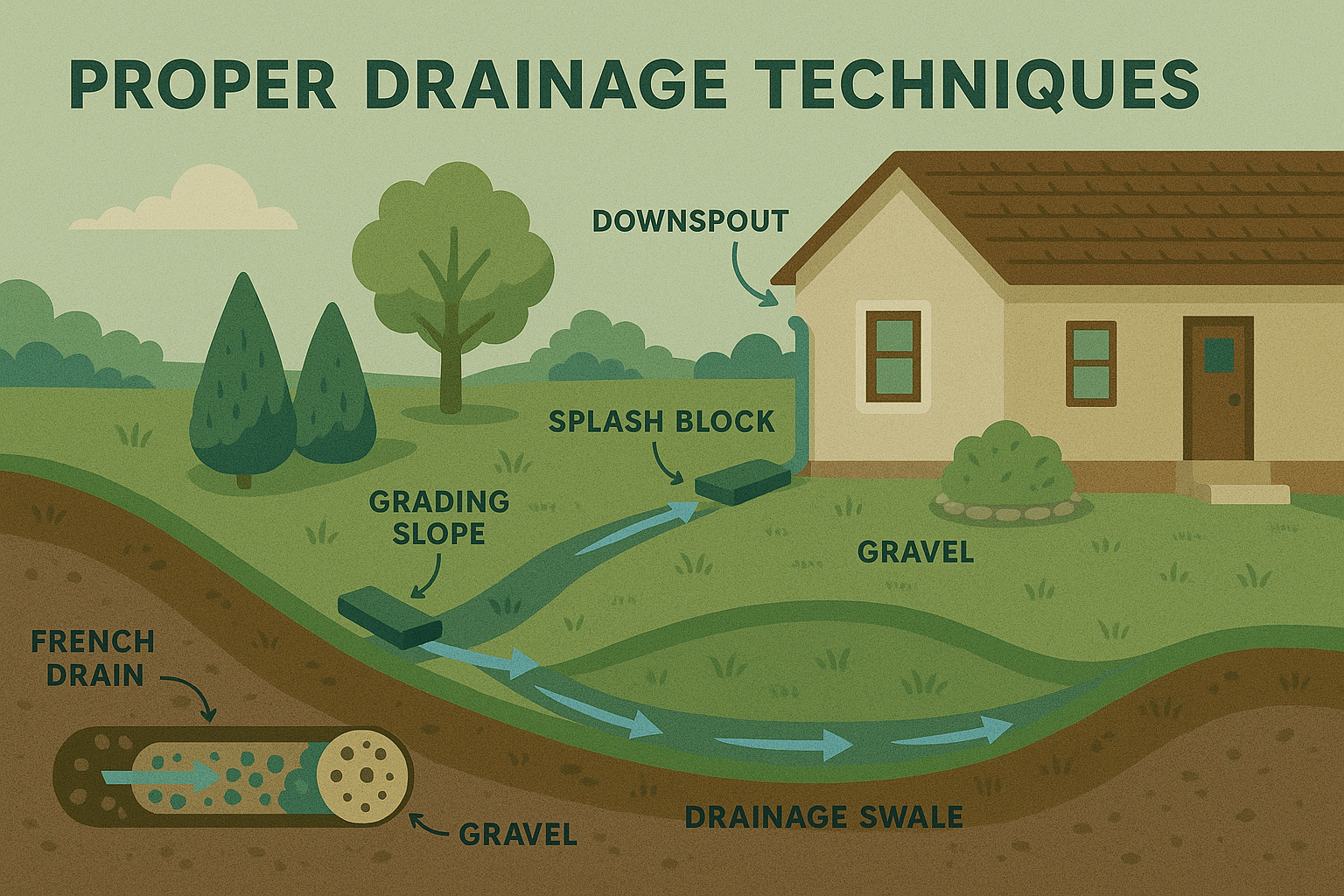
Improving Drainage Systems to Reduce Water Damage
Water is one of the leading causes of potholes. Poor drainage allows water to pool on the surface, weakening the pavement’s structure over time. Improve drainage by ensuring proper grading and installing or maintaining functional stormwater systems, such as catch basins and trench drains. Regularly clean and inspect drainage systems to prevent blockages that can exacerbate water-related issues.
Establishing a Year-Round Maintenance Schedule
A proactive maintenance schedule ensures consistent care for your parking lot. Plan routine inspections and minor repairs during off-peak seasons to avoid disrupting operations. Prioritize tasks like sealcoating and crack filling during dry, warm months, and focus on clearing debris and ensuring proper drainage during the rainy or snowy seasons. Year-round attention helps catch small issues before they escalate into costly repairs.
Creating a Comprehensive Maintenance Plan
Seasonal Maintenance Tips
- Spring: Inspect for winter damage, fill cracks, and schedule sealcoating.
- Summer: Focus on permanent repairs, such as infrared or hot mix asphalt applications.
- Fall: Clear leaves and debris, inspect drainage systems, and seal any new cracks.
- Winter: Remove snow and ice promptly to prevent freeze-thaw cycles from damaging the pavement. Use non-corrosive de-icing agents to minimize harm to the asphalt.
Scheduling Repairs During Off-Peak Hours
Minimizing disruptions to your facility is essential for maintaining customer satisfaction. Schedule repairs during off-peak hours or periods of low usage, such as evenings, weekends, or holidays. Clear communication with tenants and users about repair timelines ensures smooth operations and reduces inconvenience.
Using Maintenance Management Software for Efficiency
Modern maintenance management software simplifies scheduling, budgeting, and tracking repairs. These tools can automate reminders for routine tasks, log completed work, and forecast future repair needs. By centralizing data and workflows, software enables facility managers to stay on top of maintenance schedules and allocate resources more effectively.
Implementing these proactive strategies not only prevents potholes but also enhances the safety, aesthetics, and longevity of your parking facility.
Minimizing Repair Disruptions
Strategies for Keeping Operations Running Smoothly
Keeping your parking facility operational during repairs requires careful planning. Consider phasing repairs to address one section at a time while keeping other areas open. Use barriers or cones to isolate work zones and direct traffic flow. Whenever possible, schedule noisy or disruptive tasks during off-peak hours to minimize the impact on customers and tenants.
Temporary Signage and Traffic Management During Repairs
Clear and visible signage is essential during repairs to maintain safety and reduce confusion. Use temporary signs to redirect traffic, mark detours, and warn of construction zones. Combine this with traffic cones and barriers to guide drivers and pedestrians safely through or around the repair area. Proper traffic management ensures safety and prevents bottlenecks that could deter facility usage.
Communicating Updates with Tenants and Customers
Effective communication is key to maintaining customer and tenant satisfaction during repairs. Notify stakeholders in advance about repair schedules, expected disruptions, and alternative arrangements. Use multiple communication channels, such as emails, social media updates, or posted notices, to ensure everyone is informed. Providing regular updates builds trust and reduces frustration.
Budgeting for Maintenance and Repairs
Calculating Costs for Repairs and Preventive Measures
Understanding the cost implications of various repair methods is critical for planning. Evaluate costs for temporary fixes like cold patching versus long-term solutions such as hot mix asphalt or infrared repairs. Factor in labor, materials, and equipment expenses for a comprehensive budget. Preventive measures, such as sealcoating and crack filling, often represent a cost-effective investment to reduce the frequency of major repairs.
| Repair Method | Initial Cost | Durability | Recommended Use Case |
| Cold Patch Asphalt | Low | Temporary (3–6 months) | Emergency repairs in wet/cold conditions |
| Hot Mix Asphalt | Medium-High | Long-term (10+ years) | High-traffic areas needing durability |
| Infrared Asphalt Repair | Medium | Long-term (8–10 years) | Seamless fixes for isolated damage |
Building an Emergency Repair Fund
Unexpected repairs can disrupt budgets and operations. Allocate a portion of your annual maintenance budget to an emergency repair fund. This reserve ensures that critical issues can be addressed promptly, preventing further damage and minimizing operational downtime.
Long-Term Financial Benefits of Regular Maintenance
Regular maintenance reduces the frequency and severity of major repairs, resulting in significant cost savings over time. Preventive measures such as sealcoating, crack filling, and proper drainage management extend the life of your parking lot, lowering overall expenses. Additionally, a well-maintained facility attracts more customers, enhancing revenue and offsetting maintenance costs.
By minimizing disruptions during repairs and maintaining a structured budget, your parking facility can achieve operational efficiency and long-term financial stability.
Monitoring and Adjusting Your Program
Key Metrics to Evaluate Maintenance Success
Tracking the success of your maintenance program requires measurable metrics, such as:
- Repair Frequency: Monitor how often repairs are needed in specific areas. A decrease over time indicates effective preventive measures.
- Cost per Repair: Compare the average cost of repairs year-over-year to assess budget efficiency.
- Surface Condition: Use pavement condition indices (PCI) to evaluate improvements in the overall quality of your parking lot.
- Customer Feedback: Collect feedback from users to gauge satisfaction with the facility’s condition and accessibility during maintenance.
How to Adapt Your Program Over Time
As your parking lot evolves, so should your maintenance program.
- Analyze Performance Data: Regularly review metrics to identify trends or recurring issues.
- Incorporate New Methods: Stay informed about advances in repair techniques and materials to improve efficiency and durability.
- Adjust Budgets and Priorities: Reallocate resources to focus on areas with increasing damage or higher traffic.
Benefits of Regular Program Reviews
Routine reviews ensure that your maintenance strategy remains aligned with your goals. These evaluations:
- Help identify inefficiencies or gaps in the current program.
- Allow for timely updates to address new challenges.
- Provide an opportunity to implement cost-saving strategies or innovative practices.
Leveraging Professional Expertise
When to Hire a Pavement Repair Specialist
While some repairs can be handled in-house, certain situations warrant professional intervention:
- Extensive Damage: Large potholes, widespread cracking, or structural issues.
- Specialized Repairs: Infrared asphalt repair or full-depth reclamation.
- Time-Sensitive Projects: When quick, high-quality repairs are essential to minimize downtime.
Tips for Choosing the Right Contractor
Selecting the right contractor ensures that repairs are durable and cost-effective.
- Verify Credentials: Check licensing, insurance, and certifications.
- Request References: Speak with past clients to assess the contractor’s reliability and workmanship.
- Compare Quotes: Obtain multiple estimates, but avoid selecting purely based on the lowest price.
- Review Experience: Choose a contractor with expertise in parking lot repairs and maintenance.
Value of Professional Pavement Assessments
Hiring experts for pavement assessments provides in-depth insights into the condition of your parking lot. Professionals use advanced tools like ground-penetrating radar (GPR) and infrared imaging to detect underlying issues that are invisible to the naked eye. These assessments help in:
- Identifying hidden structural weaknesses.
- Planning targeted and effective repairs.
- Avoiding unnecessary expenses by addressing root causes early.
By monitoring your program’s performance and leveraging professional expertise, you can ensure your maintenance efforts are effective, cost-efficient, and sustainable over the long term.
Conclusion
Why a Proactive Maintenance Program Is Essential
A proactive maintenance program is the foundation of a safe, functional, and cost-efficient parking facility. By addressing minor issues like cracks or drainage problems early, you can prevent the formation of potholes and avoid expensive, large-scale repairs. A well-maintained parking lot not only ensures safety but also reflects positively on your business, enhancing customer satisfaction and trust.
Long-Term Benefits of Strategic Planning and Execution
Strategically planning your maintenance efforts leads to long-term financial and operational benefits. With a structured program in place, you can:
- Extend the life of your parking surfaces.
- Reduce overall maintenance costs through preventive measures.
- Improve the user experience by minimizing disruptions and maintaining a professional appearance.
Investing time and resources upfront saves money and ensures your parking facility remains in top condition for years to come.
Encouragement to Take Action for Safer, Longer-Lasting Parking Facilities
Don’t wait until small cracks evolve into costly repairs. Taking action now can safeguard your parking facility against future challenges. Whether it’s implementing a routine maintenance schedule, addressing drainage issues, or consulting with professionals, every step you take helps create a safer and more durable environment for both drivers and pedestrians.
FAQs
1. How do I determine the right repair method for my parking lot?
The choice depends on factors like the severity of the damage, traffic levels, and your budget. For quick fixes, cold patch asphalt works well, but for long-lasting solutions, hot mix asphalt or infrared repair is more suitable.
2. What is the expected life span of a repaired parking lot?
The life span varies depending on the repair method and maintenance practices. Permanent repairs like hot mix asphalt can last 10+ years, especially with regular upkeep, while temporary fixes like cold patches may last only a few months.
3. Are there eco-friendly alternatives for pothole repairs?
Yes, methods like infrared asphalt repair are environmentally friendly as they recycle existing materials. Additionally, some contractors use sustainable materials and techniques to minimize environmental impact.
4. How can I minimize repair costs without compromising quality?
Invest in preventive measures like sealcoating and crack filling to avoid costly repairs. Schedule regular inspections to catch issues early and compare contractor quotes to find the best value.
5. Should I involve a contractor for small pothole fixes?
For minor repairs, DIY methods like cold patch asphalt may suffice. However, for recurring issues or larger damage, hiring a professional ensures durability and proper execution.