
Understanding Potholes and Their Impact
What Causes Potholes in Parking Areas?
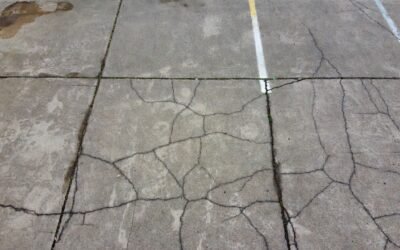
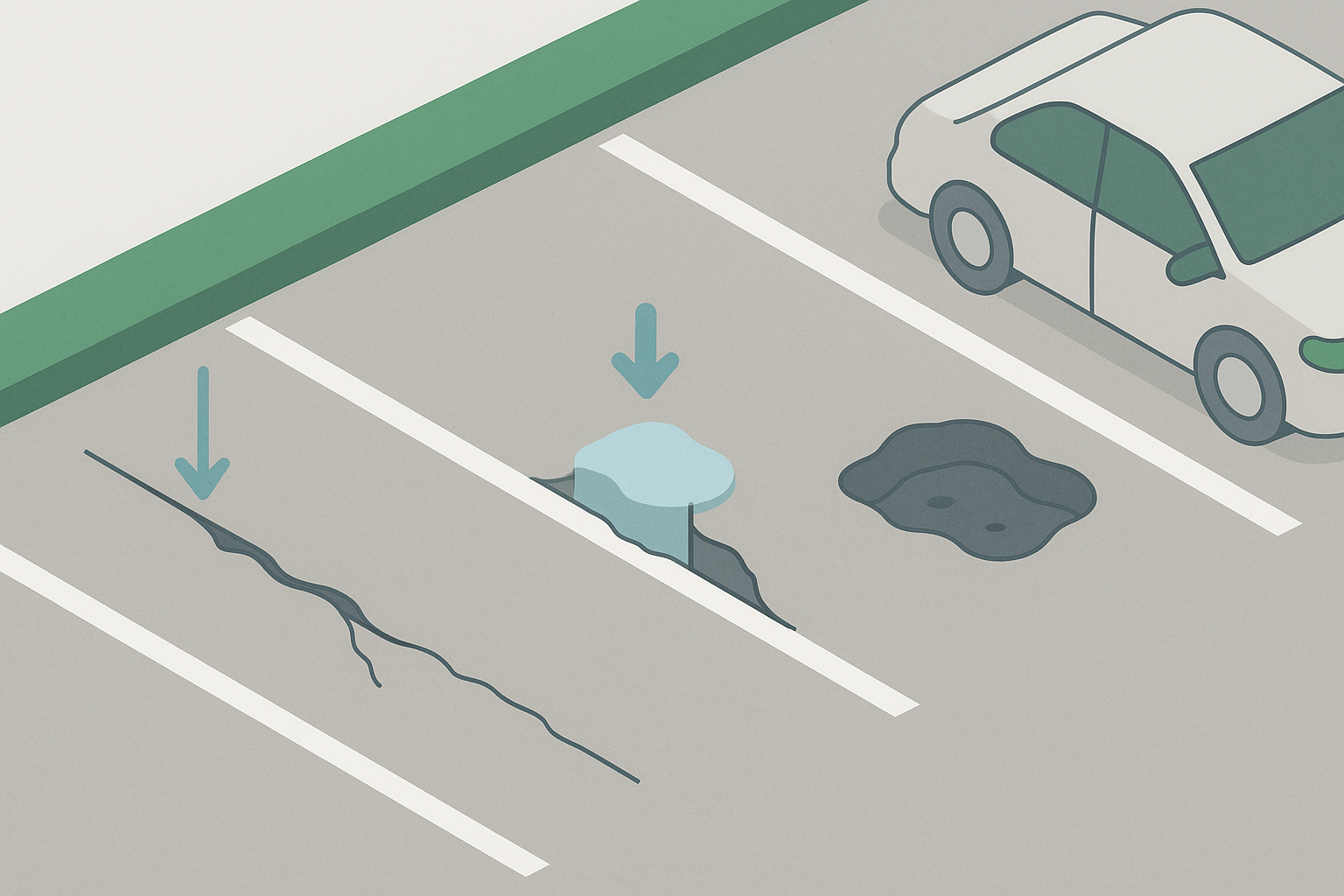
Potholes don’t appear overnight; they are the result of multiple underlying factors. Understanding these causes is crucial to implementing effective prevention strategies:
Table of Contents
- Freeze-Thaw Cycles and Water Infiltration
- Water seeps into small cracks or joints in the parking area surface.
- During colder months, this trapped water freezes and expands, widening cracks.
- When the ice melts, the newly formed gaps weaken the surface, eventually leading to pothole formation.
- Heavy Vehicle Traffic and Poor Materials
- Frequent use by heavy vehicles like delivery trucks or construction equipment places immense stress on parking lot surfaces.
- Substandard materials or inadequate thickness in construction exacerbate wear and tear, making the surface more prone to potholes.
- Lack of Routine Maintenance
- Neglecting small cracks, drainage issues, or early-stage surface deterioration allows damage to accumulate over time.
- Delayed repairs make minor issues escalate into costly, hazardous potholes.
Why Pothole Prevention Matters
Pothole prevention is not just a matter of convenience—it’s an investment in safety, cost savings, and customer satisfaction. Here’s why it’s essential:
- Financial Savings on Repairs
- Preventive measures cost significantly less than full-scale pothole repairs or surface replacement.
- Early detection and maintenance prevent small issues from spiralling into expensive fixes.
- Enhanced Safety and Aesthetics
- Potholes pose a risk to vehicles, potentially causing tire or suspension damage.
- Smooth, well-maintained parking areas not only ensure safety but also boost the property’s overall visual appeal.
- Avoiding Customer Dissatisfaction and Liabilities
- Customers and visitors are more likely to trust businesses that maintain clean and safe parking areas.
- Preventing accidents caused by potholes reduces the risk of legal claims or damage complaints.
By understanding what causes potholes and why prevention is critical, property managers and business owners can take proactive steps to ensure their parking areas remain functional, safe, and visually appealing.
Key Preventive Strategies for Parking Areas
Regular Inspections and Monitoring
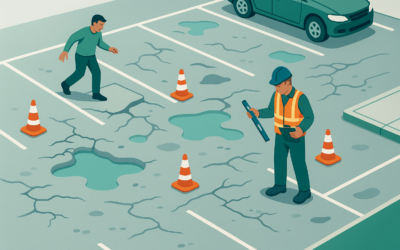
Routine inspections are the first line of defence against pothole formation. They help identify potential issues before they escalate.
- Identifying Early Warning Signs of Surface Damage
- Look for small cracks, uneven surfaces, or water pooling after rain.
- Monitor areas near drains or where heavy vehicles frequently park or maneuver.
- How to Create an Inspection Checklist
- Divide the parking area into manageable sections for systematic evaluation.
- Include checks for cracks, faded lines, clogged drainage, and soft spots.
- Schedule inspections seasonally and after extreme weather events for optimal results.
Addressing Small Issues Before They Grow
Small surface issues can rapidly develop into major problems if left unaddressed.
- Crack Filling: Materials and Methods
- Use hot or cold asphalt crack filler depending on the severity and size of the crack.
- Ensure proper cleaning of the crack before application to enhance adhesion and durability.
- Patching Small Holes Effectively
- For shallow holes, apply a high-quality patching compound and compact it thoroughly.
- For deeper holes, reinforce with additional layers of aggregate before patching.
Implementing a Drainage Plan
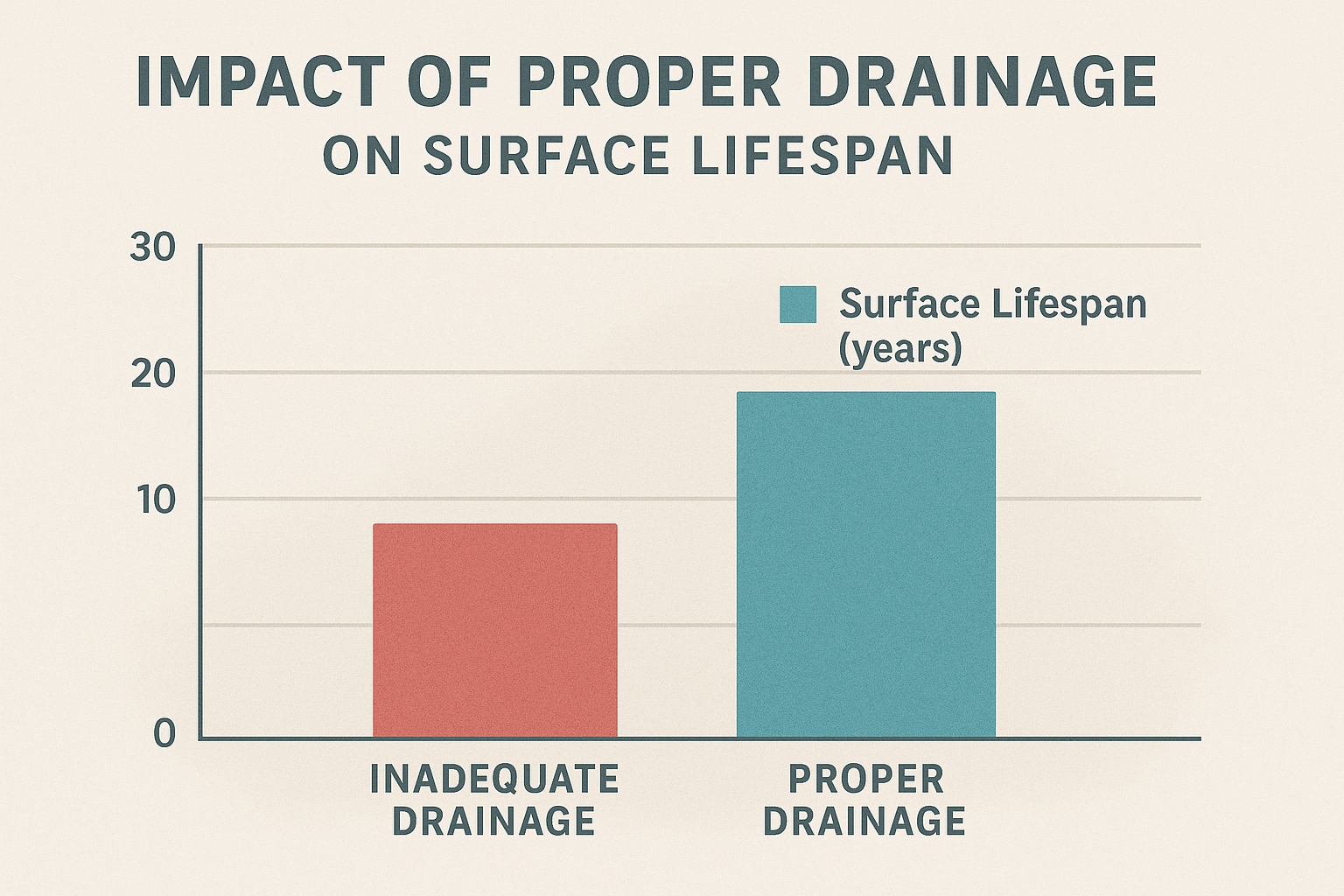
Water is one of the primary culprits in pothole formation, making effective drainage essential.
- The Importance of Proper Water Management
- Standing water weakens the structural integrity of the parking surface, accelerating damage.
- Proper drainage minimizes water infiltration into the surface layers.
- Tips for Installing or Upgrading Drainage Systems
- Install sloped surfaces to guide water toward drainage points.
- Use high-capacity drains and keep them clear of debris.
- Upgrade existing systems with permeable paving or trench drains for better water management.
Enhancing Surface Durability
Choosing Long-Lasting Materials
The choice of materials plays a critical role in the longevity of a parking area.
- Asphalt vs. Concrete: Pros, Cons, and Applications
- Asphalt: Affordable and quick to install, but requires more frequent maintenance.
- Concrete: Durable and low-maintenance, but higher initial cost.
- Choose based on traffic levels, climate, and budget.
- Innovative Materials Like Permeable Pavement
- Reduces water pooling by allowing water to pass through.
- Environmentally friendly and ideal for areas prone to heavy rainfall.
Sealcoating as a Protective Measure
Sealcoating offers a protective barrier that extends the life of parking surfaces.
- Benefits of Sealcoating and When to Apply It
- Protects against UV rays, water infiltration, and chemical spills.
- Apply every 2-3 years or as recommended for high-traffic areas.
- Recommended Products and Application Techniques
- Use high-quality sealcoats with polymer additives for maximum protection.
- Apply evenly using a sprayer or squeegee to avoid uneven coverage.
By implementing these preventive strategies, parking lot owners can reduce maintenance costs, prolong surface life, and ensure a safer environment for users.
Seasonal Maintenance Tips
Winterizing Your Parking Lot
Winter brings unique challenges that can lead to significant damage if not addressed proactively.
- Preparing for Freeze-Thaw Cycles
- Inspect for existing cracks and seal them before the first freeze to prevent expansion.
- Apply a high-quality sealcoat in the fall to protect the surface from moisture and deicing chemicals.
- Removing Snow and Ice Without Damaging Surfaces
- Use plastic shovels or rubber-edged snowplows to minimize surface abrasion.
- Opt for deicing products that are safe for asphalt or concrete, avoiding materials with high salt content.
Summer Maintenance Checklist
Heat and sun exposure can also cause wear and tear on parking lot surfaces, requiring attention during warmer months.
- Managing Heat-Induced Cracks
- Monitor and repair cracks caused by thermal expansion to prevent them from worsening.
- Use heat-resistant sealants that can withstand high temperatures.
- Resurfacing Strategies for Long-Term Resilience
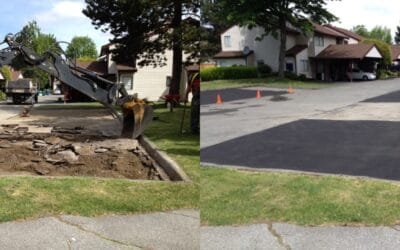
- Apply a fresh layer of asphalt or concrete overlay to rejuvenate the surface and improve durability.
- Consider reflective coatings to reduce heat absorption and prolong the surface’s life.
| Season | Key focus | Recommended tasks | Frequency |
|---|---|---|---|
| Spring | Post winter recovery | Inspect for cracks and potholes, clear drains and catch basins, sweep debris, schedule minor repairs. |
Once at start of season |
| Summer | Surface protection and repairs | Sealcoat asphalt, repair heat induced cracks, repaint line markings, evaluate high stress and heavy traffic areas. |
One full review plus spot fixes |
| Fall | Preparing for wet and cold conditions | Clear leaves from drains, check grading and water flow, seal remaining cracks, confirm snow and deicing plan. |
Once at start of season plus after major storms |
| Winter | Damage control and safety | Use surface safe deicers, monitor for new cracks or potholes, keep drains clear of ice and slush, document emerging issues. |
Ongoing, after each major weather event |
Managing Heavy Vehicle Traffic
Reinforcing High-Stress Areas
Heavy vehicles, such as delivery trucks or construction equipment, exert substantial pressure on parking surfaces. Reinforcing these areas can significantly reduce damage.
- Techniques for Strengthening Loading Zones
- Use thicker asphalt or concrete layers in designated loading zones to handle higher stress.
- Install steel or geogrid reinforcements to increase load-bearing capacity.
- Using Thicker Layers or Reinforced Materials
- Opt for high-performance asphalt mixes designed for heavy-duty applications.
- Ensure proper compaction during installation to avoid structural weaknesses.
Redirecting Heavy Vehicles
Reducing the impact of heavy traffic on critical areas requires thoughtful design.
- Designing Traffic Flow to Minimize Damage
- Create separate lanes or designated areas for heavy vehicles to prevent unnecessary stress on general parking areas.
- Use clear signage and barriers to direct traffic flow effectively.
By addressing seasonal needs and managing heavy vehicle impact, parking lot owners can maintain durable surfaces and minimize repair costs year-round.
Leveraging Technology for Pothole Prevention
Smart Parking Lot Monitoring Systems
Modern technology offers innovative ways to monitor and maintain parking lots, helping prevent potholes before they form.
- Sensors That Detect Early-Stage Damage
- Install smart sensors to monitor surface conditions, such as moisture levels, temperature fluctuations, and structural integrity.
- These sensors can identify small cracks, areas of stress, or water infiltration, allowing for early intervention.
- Integrating Maintenance Alerts with Smart Tools
- Use apps and connected systems to receive real-time alerts about potential surface issues.
- Maintenance teams can act immediately based on sensor data, reducing downtime and costly repairs.
Predictive Maintenance Tools
Predictive tools use data to anticipate potential problems, saving time and money on reactive maintenance.
- Using Data Analytics to Forecast Wear and Tear
- Collect data on traffic volume, weather conditions, and material performance to predict when and where damage is likely to occur.
- Predictive models help prioritize maintenance tasks, focusing on high-risk areas before issues become severe.
Budget-Friendly Maintenance Solutions
Partnering with Local Suppliers
Collaborating with local businesses can reduce costs while ensuring consistent material availability.
- Cost Savings on Materials and Logistics
- Local suppliers typically have lower transportation costs, leading to reduced pricing.
- Building relationships with suppliers may result in bulk discounts or priority access to materials during peak seasons.
Timing Repairs for Cost Efficiency
Strategic scheduling of maintenance tasks can significantly reduce expenses.
- Off-Season Pricing Advantages
- Perform repairs during slower seasons when demand for contractors and materials is lower.
- Many companies offer discounted rates in the off-season, providing high-quality service at a reduced cost.
By leveraging technology for proactive monitoring and incorporating budget-friendly strategies, parking lot owners can ensure effective maintenance while controlling costs.
Educating Parking Lot Users
Encouraging Proper Usage
Educating parking lot users about responsible practices can significantly reduce wear and tear, extending the surface’s lifespan.
- Informing Drivers About Avoiding Unnecessary Wear
- Post clear signage to discourage behaviours like sudden braking, sharp turns, or speeding, which can stress the surface.
- Communicate the importance of proper vehicle parking alignment to minimize concentrated load stress in specific areas.
- Use newsletters or digital communication to educate users about parking lot care and policies.
Limiting Activities That Damage Surfaces
Parking lots often serve purposes beyond vehicle parking, but managing these activities can prevent unnecessary surface damage.
- Managing Non-Parking Uses Like Events or Storage
- Restrict heavy equipment or temporary structures like tents from being placed on unreinforced areas.
- Designate specific zones for events or storage, ideally reinforced with thicker layers or durable materials.
- Establish guidelines for cleaning up spills or debris promptly after such activities.
Measuring the Success of Preventive Measures
Key Metrics for Evaluation
To determine if maintenance strategies are effective, track specific indicators that reflect surface condition and user satisfaction.
- Reduction in Repair Frequency
- Monitor the interval between repairs to identify whether preventive measures are reducing damage over time.
- A longer gap between major repairs signals successful maintenance.
- Improved Customer Satisfaction
- Use surveys to gather feedback from customers or tenants about their experience with the parking area.
- Higher satisfaction scores indicate that the parking lot is perceived as safe, clean, and well-maintained.
Tools for Performance Tracking
Modern tools make it easier to monitor and evaluate the effectiveness of your preventive measures.
- Apps and Software for Maintenance Management
- Use platforms like FacilityDude, UpKeep, or Asset Essentials to log inspections, track repairs, and schedule routine maintenance.
- These tools provide data visualizations to analyze trends in parking lot wear and repair needs.
- Automate reminders for seasonal maintenance tasks or inspections to ensure consistency.
By educating users and tracking the effectiveness of your strategies, you can ensure that your parking lot remains safe, functional, and visually appealing while minimizing long-term costs.
Conclusion: Long-Term Benefits of Proactive Measures
Proactively maintaining parking areas is a smart and cost-effective strategy that pays off in the long run. By addressing potential issues early and employing consistent upkeep, property owners can ensure their parking lots remain safe, functional, and visually appealing.
- The Value of Staying Ahead of Damage with Consistent Upkeep
- Regular inspections, crack filling, and sealing can prevent minor issues from escalating into costly repairs.
- Early intervention minimizes disruptions and extends the life of your parking lot, saving money over time.
- How Preventive Measures Save Money and Enhance Safety
- Preventing potholes reduces the risk of accidents, vehicle damage, and liability claims.
- Lower maintenance costs result from avoiding major overhauls and emergency repairs.
- Encouragement to Adopt a Proactive Maintenance Mindset
- Viewing parking lot maintenance as an ongoing investment, rather than a one-time expense, ensures long-term durability and user satisfaction.
- Utilize the tips and tools outlined in this guide to create a reliable, cost-efficient maintenance plan.
FAQs
- What’s the best way to inspect a parking lot for potential potholes?
- Conduct regular inspections with a checklist to identify cracks, pooling water, and other signs of surface wear. Utilize technology such as smart sensors for more precise monitoring.
- How often should sealcoating be applied to parking lots?
- Sealcoating should be applied every 2-3 years, depending on traffic volume and environmental conditions, to ensure maximum protection against water, UV rays, and chemicals.
- Can potholes form even with proper drainage systems?
- While proper drainage reduces the risk of potholes, extreme weather or inadequate maintenance of the drainage system can still lead to damage. Routine inspections are key.
- Are there eco-friendly options for parking lot materials?
- Yes, materials like permeable pavement and recycled asphalt offer sustainable alternatives that enhance drainage and reduce environmental impact.
- How do smart monitoring systems detect early damage signs?
- These systems use sensors to track surface conditions like moisture, temperature changes, and structural shifts. Real-time alerts allow for quick action to prevent further damage.