
Floor Sealing, Epoxy & Concrete Coatings
Table of Contents
Floor sealing cost in Vancouver: epoxy vs penetrating sealers
If you are budgeting floor sealing for a parkade, warehouse, or commercial building in Vancouver, the biggest cost swing is usually not the product. It is surface prep, access, downtime, and whether you need a coating system (epoxy) or a breathable sealer (penetrating).

Want an exact number instead of a wide range?
Get a floor sealing quote built around your site realities: access, prep needs, membrane risk in parkades, and a plan to reduce dusting and premature deterioration.
Serving Vancouver, Burnaby, New Westminster, Surrey, White Rock, Langley, Coquitlam, Richmond, Delta, Maple Ridge, and Abbotsford.
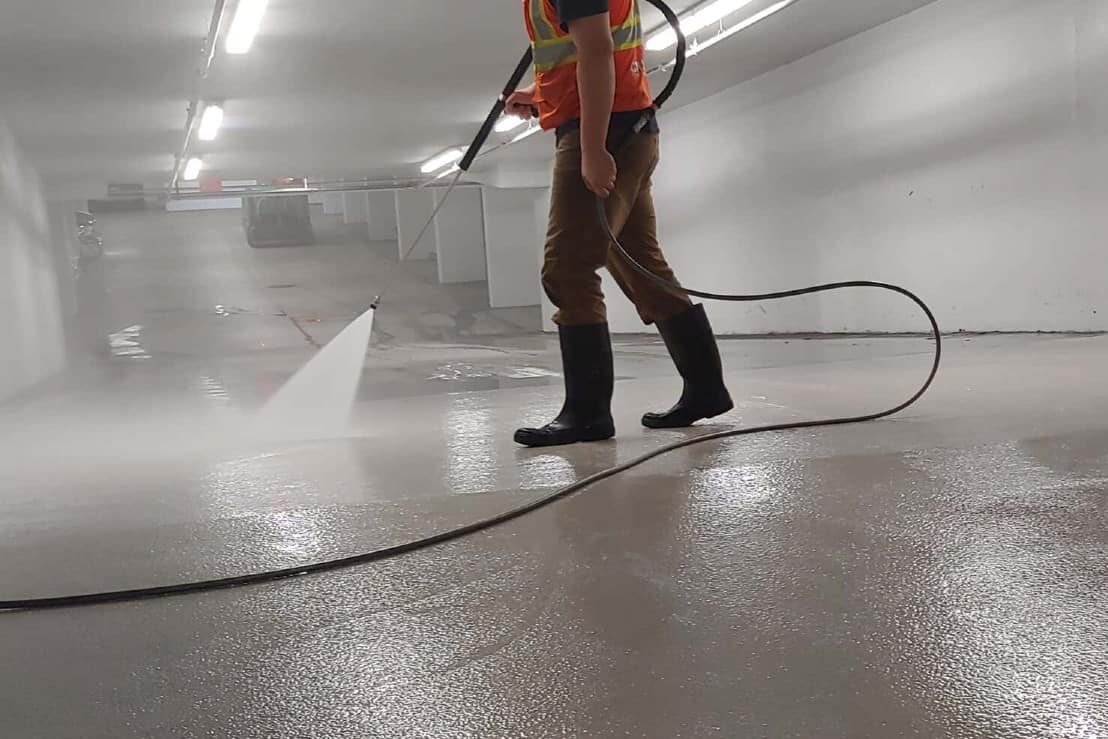
Floor sealing cost in Vancouver (quick planning ranges)
Floor sealing pricing is usually quoted per square foot for large, open areas and quoted as a job for small or complex scopes. Use the ranges below for planning, then tighten them by confirming prep and downtime.
| Option | Best for | Typical planning range (installed) | Downtime and notes |
|---|---|---|---|
| Penetrating sealer or densifier silane, siloxane, silicate |
Dust reduction and basic protection where you want the concrete to stay breathable and look similar.2 | About $0.50 to $1.50 per sq ft in common commercial budgeting guides.6 | Often the lowest disruption option, but still requires real cleaning and drying. Expect cost to jump if there is oil contamination or heavy rubber staining. |
| Acrylic sealer surface film, decorative zones |
Decorative or light-traffic concrete that needs a surface barrier without the full build of epoxy.2 | Commonly budgeted around $2 to $3 per sq ft for commercial sealing guides.6 | Faster application, but performance is heavily dependent on site conditions and maintenance. Expect shorter recoat cycles than epoxy in high-traffic areas. |
| Epoxy coating system primer + epoxy + optional urethane topcoat |
High-traffic, stain-prone floors where you want a film-forming protective layer that resists oils and hydrocarbons (common in parkades and loading areas).1 | Many Canadian pricing guides cite $3 to $12 per sq ft depending on prep, thickness, and finish.5 | Installation is typically multi-day with staged access and cure windows. Plan for slip-control and ventilation if the area is enclosed.8 |
Planning tip: The fastest way to make quotes comparable is to describe prep (cleaning method and repairs), shutdown windows, and where the work starts and stops (ramps, stalls, curbs, stairs, edges, and drains).
Floor sealing cost calculator (Vancouver planning estimate)
Compare epoxy vs penetrating sealer. Adjust prep, repairs, moisture risk, and scheduling to tighten your range.

Epoxy vs penetrating sealer: how to choose the right system
If your top pain is dusting: City Wide notes that sealing is often the right step when parkades or warehouses have excessive dusting, because it helps protect concrete from premature deterioration and reduces dust build-up.1
Choose a penetrating sealer when you want protection without changing the surface much
Penetrating sealers soak into the concrete and create a chemical barrier while still letting vapour escape, which is one reason they are commonly used in outdoor or moisture-exposed environments.2
- Good fit: strata parkades with basic dust control needs, utility corridors, some warehouse zones, exterior slabs.
- Not ideal: areas with frequent oil drips, forklifts with abrasive traffic, or places you want a fully cleanable film finish.
Choose epoxy when you need a true protective coating and easier cleaning
Epoxy is typically chosen for high-traffic areas because it creates a durable, cleanable surface layer. City Wide also describes coatings that help resist oil, grease, gasoline and other hydrocarbons while reducing dusting in parking structures.4
- Good fit: retail plazas, office building parkades, warehouses, hotels, hospitals and clinics, and municipal facilities where appearance and cleanability matter.
- Not ideal: active areas with no shutdown window, or slabs with unresolved moisture issues unless you plan a compatible system and prep.
Safety note for decision-making: WorkSafeBC highlights that slips often happen when there is not enough traction between footwear and the walking surface, and that water, oil, grease, or dust on the floor can contribute to slips.9 If your facility has had incidents, build slip resistance into the scope (texture, additives, targeted traction zones) instead of relying on cleaning alone.
What drives floor sealing quotes up in Vancouver
Vancouver pricing tends to feel unpredictable because the work is priced like a production job. Two sites with the same square footage can price very differently once you account for access and prep.
-
Surface preparation (the real budget driver). Degreasing, rubber removal, grinding, shot blasting, crack repairs, and edge control are often what separates a coating that lasts from a coating that peels.
-
Access constraints and traffic control. Tight ramps, low clearance, staged closures, elevator-only access, and after-hours work all change production rate.
-
Downtime requirements. Epoxy systems are commonly multi-day projects with cure windows. Some guides cite 2 to 3 days as typical when prep and coating are included, with more time for larger or more complex spaces.8
-
Parkade membrane and water protection details. City Wide highlights membrane as a key coating in multilevel parkades to protect structural reinforcement in the concrete slab, and recommends repairing damaged membrane quickly to avoid bigger repairs later.1
-
VOC and ventilation planning. If you are coating enclosed areas, your product choice and ventilation plan matter. Canada regulates VOC concentration limits for architectural coatings, which is one reason many facilities prefer lower-VOC systems where possible.10
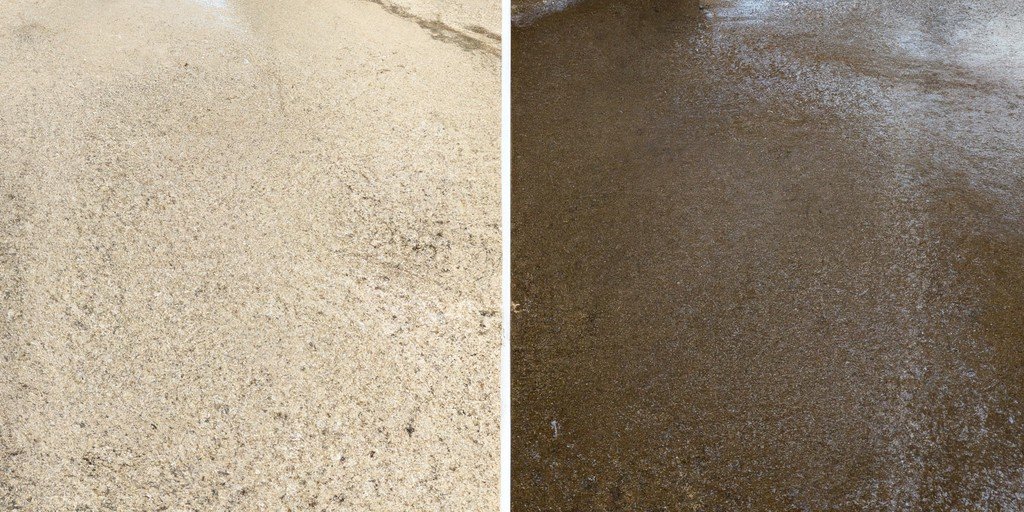
What to ask for in a floor sealing quote (so you can compare apples to apples)
If you are collecting quotes for a strata condo, apartment building, retail plaza, office building, warehouse, hotel, hospital or clinic, or municipal facility, send vendors this checklist up front. It usually tightens pricing and reduces surprises.
| What to specify | Why it matters | What to look for in the response |
|---|---|---|
| Area map and boundaries | Ramps, edges, stalls, columns, and stairs can be a big portion of labour. | Clear inclusions and exclusions with unit rates for add-ons. |
| Current condition | Oil staining, dusting, cracks, and delamination drive prep time. | Prep method described (not just “prep included”). |
| Downtime window | Epoxy systems require staged access and cure windows.8 | Staging plan by level or zone, reopening timing, and contingencies. |
| Slip-risk priorities | Wet, dusty, or oily floors increase slip risk; traction choices should be intentional.9 | Texture zones, anti-slip additive options, and cleaning plan post-install. |
| Documentation needs | Strata councils and facility teams often need closeout proof for records. | Before-and-after photos, scope notes, and maintenance guidance. |
If you are planning adjacent work, these City Wide guides can help you scope properly: pairing coatings with commercial pressure washing budgeting in Vancouver, addressing defects with concrete repair cost planning, and learning sealer basics in this floor sealant explainer.
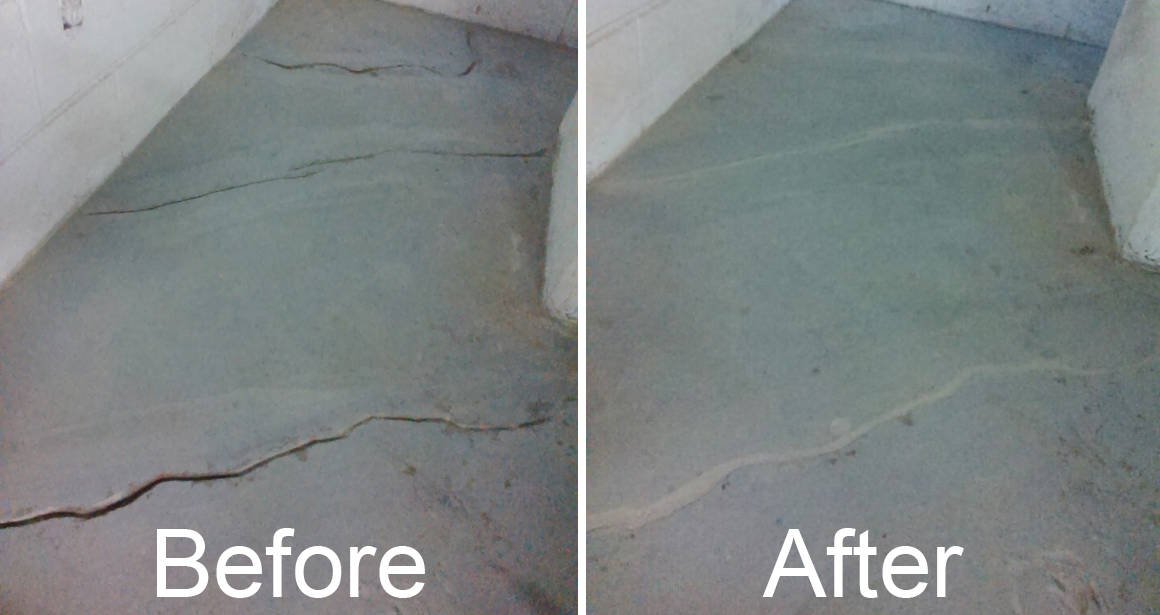
Get a floor sealing scope you can schedule, budget, and defend
We will help you pick the right system for your site, confirm prep requirements, and plan staged access so your team avoids unnecessary downtime.
Looking for adjacent scopes? Many Vancouver properties bundle floor sealing with power washing, concrete repair, and line painting.
FAQ: floor sealing and epoxy cost questions Vancouver teams ask
Why do two epoxy quotes for the same square footage come back so different?
Prep and access. One quote may assume light cleaning, while another includes grinding, crack repair, and staged access with traffic control. Product thickness and finish also matter. Canadian cost guides commonly cite wide epoxy ranges, which reflects how different scopes can be under the same label.5
Is a penetrating sealer enough for a dusty parkade?
Sometimes, especially when the goal is dust reduction with minimal appearance change. Penetrating sealers are described as breathable products that allow vapours to escape, which can be helpful in some moisture-exposed environments.2 If you also need strong oil resistance and easier cleaning, a coating system may be a better fit.4
How do we reduce slip risk when we seal or coat?
Start by naming the risk zones (ramps, corners, entries, and any area that gets wet). WorkSafeBC notes that water, oil, grease, or dust on the floor can reduce traction and contribute to slips.9 In quotes, ask for traction options and targeted texture zones in high-risk areas.
Are VOC limits something we should care about for indoor or enclosed parkades?
Yes. Canada regulates VOC concentration limits for architectural coatings, which affects product selection and compliance conversations.10 Your vendor should be able to explain the product type, curing considerations, and ventilation approach for enclosed areas.
Can we bundle floor sealing with other maintenance to reduce total cost?
Often, yes. Bundling cleaning, repairs, sealing, and marking work can reduce repeated mobilization and closures. For example, planning cleaning scope can be guided by City Wide’s estimator-style approach in its Vancouver pressure washing cost guide, and concrete defects can be budgeted using its concrete repair cost guide.3
If you want a tighter range for your Vancouver site, send the measured square footage by level or zone, a few photos of stains and cracks, and your shutdown window.
References
- City Wide Floor Sealing & Coating service page
- City Wide: Floor sealant types and definitions
- City Wide: Concrete repair cost in Vancouver (planning guide)
- City Wide: Coquitlam floor sealing page (coating benefits description)
- HomeStars: epoxy flooring cost range in Canada
- CustomCrete: concrete sealing cost ranges by sealer type
- Pro Tool Reviews: epoxy floor cost factors and typical installation duration
- WorkSafeBC: slips, trips & falls (traction and floor contaminants)
- Government of Canada: VOC Concentration Limits for Architectural Coatings Regulations
Cost ranges above are for planning only. Your on-site price will vary based on prep, access constraints, downtime windows, and the system specified.