
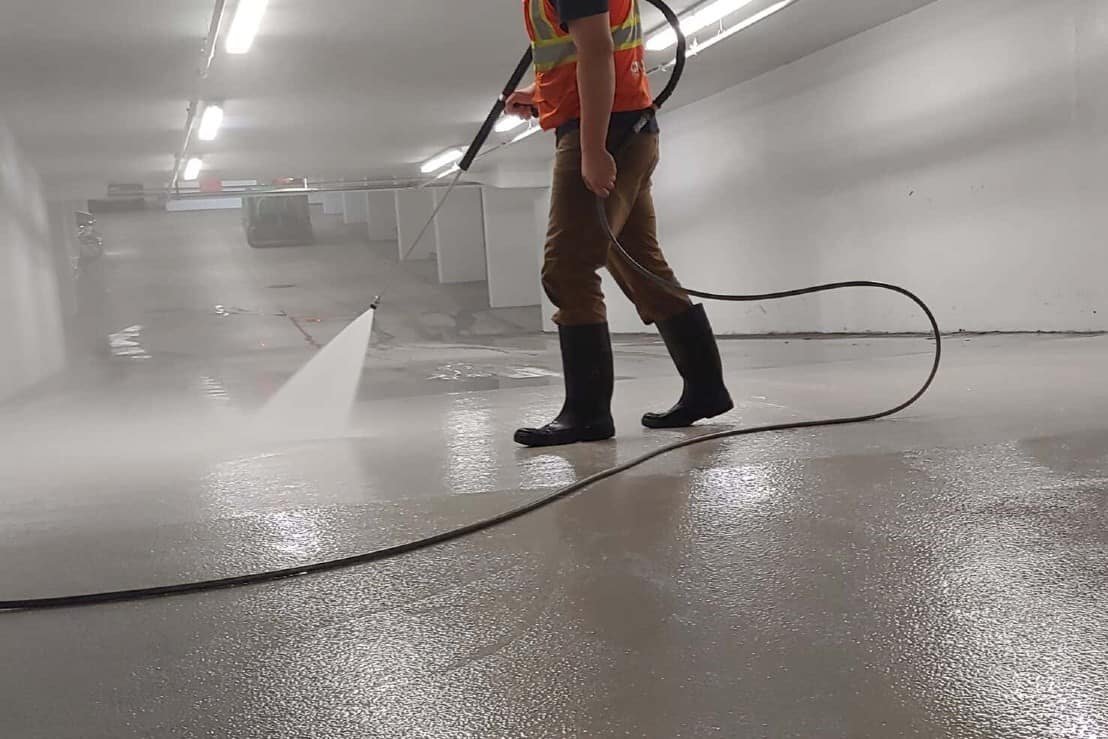
A useful parkade maintenance file shows what was cleaned, what was repaired and what still needs attention. At City Wide, we offer parkade floor cleaning, drain jetting and vacuum truck services. When you’re preparing records for your strata’s depreciation report, agree on the work scope and the documentation you need before booking.
Table of Contents
This checklist helps you organise maintenance evidence for your report provider. It does not replace their inspection, assessment or financial forecasts, and it is not a list of legally mandatory cleaning documents.
What BC requires - and where your records fit
BC generally requires strata corporations with five or more strata lots to obtain depreciation reports every five years. Annual votes to defer a report are no longer an option. Transitional and first-report dates depend on the strata’s circumstances; check your own dates with your report provider. Read the Province’s depreciation report requirements.
The report includes a component inventory and evaluation, a summary of certain less-frequent repairs and maintenance, and financial forecasts. Parking facilities and relevant utilities are among the components considered where the strata is responsible for them. See Strata Property Regulation section 6.2.
Use an eligible provider with the expertise for your property. The Province’s qualifications guidance includes changes effective October 27, 2025, so an older list may be incomplete. Check current provider qualifications.
Keep the required reports as well as your working log
Section 35 of the Strata Property Act requires stratas to retain depreciation reports and reports about repair or maintenance of major items. Read the statutory records list.
Under regulation 4.1, depreciation reports must be kept permanently. Major-item repair and maintenance reports must be kept until the relevant items are disposed of or replaced. Other record categories have different retention periods; our checklist does not replace those rules. Read the retention provisions.
Build a parkade records folder your provider can follow
The following is our suggested operational checklist. Ask your provider which records and time period will help their assessment. Keep original reports and invoices; a spreadsheet index should point to them rather than replace them.
| Record group | What to gather | Make it useful |
|---|---|---|
| Site and responsibility | Parkade plans, level and stall identifiers, component references, relevant bylaws and maintenance agreements. | Flag unclear boundaries for the council and report provider to resolve. |
| Cleaning history | Work orders, dates, areas included, methods recorded by the contractor, exclusions and invoices. | Separate completed work from recommendations and quoted work. |
| Drainage maintenance | Catch basin, sump and drain identifiers; vacuum removal or jetting records; blockage reports; follow-up findings. | Match each record to a location. Mark unknown drain routes as unknown. |
| Repairs and protective surfaces | Concrete repair, waterproofing or coating reports; installation dates if documented; product instructions and warranty records. | Keep repairs separate from cleaning. Do not guess the coating system or its condition. |
| Photos and recurring concerns | Dated photos of the same identifiable locations; reports of ponding, leaks, cracking or repeat blockage. | Record observations without diagnosing the cause. Refer technical questions to the appropriate professional. |
| Costs and open actions | Approved scopes, invoices, outstanding quotes and council decisions. | Label each cost as invoiced, approved or proposed. Let the report provider assess forecasting assumptions. |
Use a simple maintenance log
Give each entry a reference number that matches its supporting documents. A blank field means information is missing; it does not mean the work or inspection happened.
Copyable blank log entry
- Record ID and date:
- Level / component / exact location:
- Work requested and agreed exclusions:
- Contractor and work-order reference:
- Work completed and completion date:
- Observations reported, with source:
- Invoice / report / photo file links:
- Follow-up action, responsible person and target date:
- Completion evidence and date closed:
Use consistent location labels, such as the level and the identifier already on the plan. When taking photographs, avoid unnecessary resident, vehicle or licence-plate details. Keep access to the records appropriate to the people who need them.
Agree who supplies each part
Your council or property manager can coordinate the file and identify missing records. Cleaning and drainage contractors can be asked for records of their agreed work. Engineers, membrane specialists and other relevant professionals can provide their own assessments within their scope. Your depreciation report provider decides how the evidence informs their report.
For our work, tell us which locations, service items and documentation you want included in the quote. Ask about catch basin cleaning and repairs separately where needed; a floor-cleaning request should not leave drainage work assumed. Agree on any photographs, completion notes or other deliverables before authorising the scope.
Check the handover before sending it
- Create an index with each file’s date, subject, location and source.
- Include the previous depreciation report and the supporting parkade reports you have.
- Separate maintenance, repair and replacement records; identify outstanding issues.
- List missing documents and unknown installation dates openly.
- Send the provider their requested records through an agreed channel and confirm access arrangements for their visit.
- Keep a dated copy of the handover and record requests for additional information.
Questions from strata councils
Does a cleaning invoice replace an inspection or depreciation report?
No. It records a transaction and may describe the work. It does not by itself establish component condition, remaining life or the financial forecasts needed for a depreciation report.
Do we have to use this exact maintenance log?
No. This is a suggested organisational format. Your report provider may have a different request list. Ask them what they need and confirm applicable record-retention requirements separately.
What if our maintenance history is incomplete?
Send what you have, identify the gaps and ask your provider what further information would help. Do not backdate entries or infer completed work from an old quote.
Should every cleaning expense go into the contingency reserve forecast?
Do not assume that it should. Keep the source records and let your strata’s advisers and report provider distinguish routine operating expenses from the costs relevant to their assessment.
Plan the work and the records together
Send us your property location, parkade levels, approximate area or stall count, access details and the cleaning or drainage work you want considered. Include the documentation your council or report provider has requested so we can discuss it with the scope.
Request a documented maintenance scope Call 604-836-5156
BC guidance checked October 17, 2026. This is a maintenance-record preparation guide; confirm requirements and property-specific decisions with your qualified report provider.