
Concrete repair cost in Vancouver: cracks, curbs, slabs, and stairs
Use this practical estimator to ballpark price, downtime, and scope for commercial concrete repairs in Vancouver, then learn how to choose the right fix so the repair lasts.
Table of Contents
Key takeaways
- Most Vancouver concrete repair pricing comes down to access and prep (traffic control, saw-cutting, surface prep, and disposal) more than the bag of patch material.
- Cracks, curbs, slabs, and stairs price differently because the failure mode is different. The right method saves money over time.
- Downtime is part of the cost. Faster mixes can reopen sooner, but you still need planning around pedestrians and vehicles.
- Documentation matters for strata and commercial sites: before-and-after photos, location notes, and scope details make future maintenance cheaper and safer.
What does concrete repair cost in Vancouver?
Concrete repair cost in Vancouver varies because most commercial repairs are not a single item. A “small crack fix” can turn into a larger scope once you account for access, moisture, and the real cause of movement. A curb that looks like a quick patch might actually need a section replaced if rebar is exposed or the edge has broken away.
As a working range, many commercial and strata concrete repairs land in one of three buckets:
- Targeted fixes (small crack sealing, minor spall patches, isolated curb chips): best for stopping water intrusion and cleaning up trip points.
- Functional repairs (partial-depth slab patching, curb sections, stair tread edges): best when the surface is still structurally sound but damaged.
- Replacement or restoration (full-depth slab replacement, stairs with widespread delamination, large curb runs): best when the concrete is failing beyond the surface.
If you want a fast estimate that is good enough for budgeting, measure what you have (linear feet of cracks, linear feet of curb, square footage of slab repairs, and the number of stair treads and landings). Then use the tables below to choose the method that matches the problem.
Moisture, freeze-thaw cycles in exposed areas, salt and de-icer exposure, and traffic volume all affect prep time and cure time. Repairs in parkades also add constraints like overhead clearance, ventilation, and staged access.
Concrete repair price ranges by repair type
The numbers below are intended as budgeting ranges for commercial and strata properties in Vancouver. Your actual price depends on access, staging, and the amount of prep needed to create a bond that lasts.
| Repair type | Best for | Typical unit | Budget range (Vancouver) | What usually changes price |
|---|---|---|---|---|
| Crack sealing (route and seal) | Non-structural cracks, water intrusion, reducing freeze-thaw widening | Per linear foot | $4 to $12+ per lf | Crack width, moisture, routing depth, and whether joint movement needs a flexible sealant |
| Epoxy or polyurethane injection | Structural cracks or leaks where bonding matters | Per linear foot or per crack | $10 to $30+ per lf | Crack activity, access to both sides, active leakage, and required cure window |
| Partial-depth spall patch | Surface pop-outs, delamination, small potholes in concrete | Per sq ft (patch area) | $20 to $60+ per sq ft | Saw-cut perimeter, chipping, reinforcement condition, and bond agent requirements |
| Trip-hazard grinding | Lifted joints or small height differences on walkways | Per hazard location | $150 to $500+ each | Access, dust control, finishing expectations, and how many locations can be done per visit |
| Curb patch (corner/face) | Chipped edges, cosmetic damage, minor impact areas | Per curb section | $250 to $900+ per section | Forming needs, rebar exposure, traffic control, and cure time before reopening |
| Curb section replacement | Broken curb runs, rebar corrosion, repeated plow or tire impact | Per linear foot | $45 to $120+ per lf | Demolition, disposal, base repair, forming complexity, and tie-ins to adjacent slabs |
| Full-depth slab replacement | Widespread cracking, settlement, major heaving, failing base | Per sq ft | $25 to $75+ per sq ft | Thickness, rebar/dowel requirements, base rebuild, pumping and leveling needs, and staging |
| Stair tread edge repair (nosing) | Chipped stair edges, spalls at leading edge, slip and trip points | Per tread | $150 to $500+ per tread | Edge forming, reinforcement, slip-resistant finish, and pedestrian routing around stairs |
| Joint resealing | Failed expansion joints in slabs, water intrusion, debris buildup | Per linear foot | $6 to $18+ per lf | Joint width, removal difficulty, backer rod depth, and sealant type |
Tip: If your scope is small but the site requires traffic control or staged access, the mobilization and safety plan can be a larger share of the total. Bundling repairs across a property often reduces the per-unit cost.
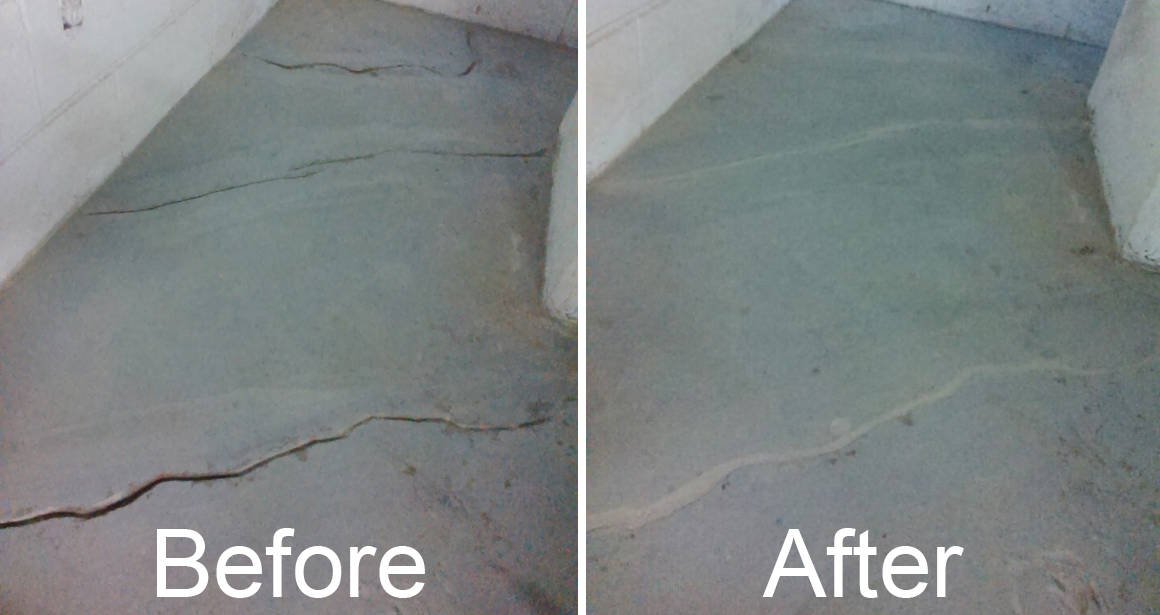
What affects concrete repair pricing the most?
Concrete repair estimates are predictable when you know what the crew has to do before the patch goes in. In Vancouver, the biggest drivers are usually access, moisture management, and how much “good concrete” must be removed to reach a sound edge.
1) Access and traffic routing
Repairs in active parkades, loading areas, or busy pedestrian routes need staging: cones, signage, and sequencing so vehicles and people can still move safely. The more constraints, the more time goes into setup and supervision.
2) Prep and edge control
The difference between a repair that lasts and one that pops out is often the perimeter. Saw-cut edges, proper chipping, cleaning, and bonding steps add time, but they reduce callbacks.
3) Moisture and temperature
Vancouver’s wet periods make moisture management essential. Some products tolerate damp conditions better than others. Faster-setting materials can reduce downtime, but they still require correct mixing and finishing windows.
4) Thickness, reinforcement, and base condition
For slabs, the price moves up quickly if the base has failed (settlement, pumping, or voids) or if dowels and reinforcement are needed to tie into adjacent concrete.
5) Disposal and documentation
Commercial sites often require controlled cleanup and disposal, plus documentation for strata councils or facility managers. Clear before-and-after photos, a short scope summary, and locations marked on a site plan reduce future maintenance cost because everyone knows what was done and where.
A practical estimator: how to budget your concrete repair in 10 minutes
If you are a property manager or building owner, you can get a surprisingly accurate budget range with a tape measure and a phone camera. The goal is to convert “it looks bad” into measurable scope.
Quick estimator workflow
Measure the scope
Cracks (linear feet), curbs (linear feet), slab repairs (square feet), stairs (tread count).
Match the method
Seal, patch, grind, injection, or replace based on movement, depth, and safety risk.
Plan access and downtime
Traffic routing, cure time, and whether staged work reduces disruption.
Step 1: Measure by category
- Cracks: measure total linear feet. Note the widest points and whether cracks cross control joints.
- Curbs: measure linear feet that are chipped, broken, or crumbling. Note impact zones near corners and entrances.
- Slabs: measure square footage of spalls and potholes, plus any areas that sound hollow or are visibly delaminating.
- Stairs: count treads with chipped noses, plus landings with spalls or cracking. Note if the stair is a primary access route.
Step 2: Identify what “failure” you are seeing
Use these fast checks to pick a method that matches the problem:
- Hairline cracks that do not change seasonally: often a sealing job to prevent water intrusion and staining.
- Cracks that open and close, or run near joints: may need flexible joint sealant rather than rigid filler.
- Spalls and pop-outs: usually require removing weak concrete until the edge is solid, then patching with the right bonding steps.
- Sunken or heaved slabs: may need leveling or replacement. Patching the surface alone rarely holds if the base is moving.
- Stair edge damage: prioritize safety. Nosing repairs and slip-resistance reduce trip risk on high-use routes.
Step 3: Apply unit pricing ranges
Once you have measurements, multiply by the relevant unit range. Then add a reasonable buffer for access and staging. If the site needs closures, security coordination, or staged entry, plan for more setup time.
| Example scope | Unit | Range | Budget subtotal | Notes |
|---|---|---|---|---|
| 120 lf crack sealing | Linear foot | $4 to $12 | $480 to $1,440 | Add cost if routing is required and cracks vary in width |
| 60 lf curb section replacement | Linear foot | $45 to $120 | $2,700 to $7,200 | Corners, drive lanes, and forming complexity raise price |
| 80 sq ft partial-depth spall patching | Square foot | $20 to $60 | $1,600 to $4,800 | Saw-cut perimeter and removal depth matter more than patch material |
| 12 stair treads nosing repair | Per tread | $150 to $500 | $1,800 to $6,000 | Primary access stairs may require staged closures and safer finishes |
For many Vancouver properties, the most cost-effective approach is bundling: do cracks, a few slab patches, and curb edges in the same visit so the mobilization, setup, and cleanup costs apply once.

Want a tighter number for your Vancouver site?
Share a few photos and measurements, and we will help you scope the right repair method for cracks, curbs, slabs, or stairs.
- Commercial and strata concrete repair planning
- Safety-first staging for parkades, walkways, and loading zones
- Documentation support (before-and-after photos and scope notes)
Cracks: when a simple seal works, and when it does not
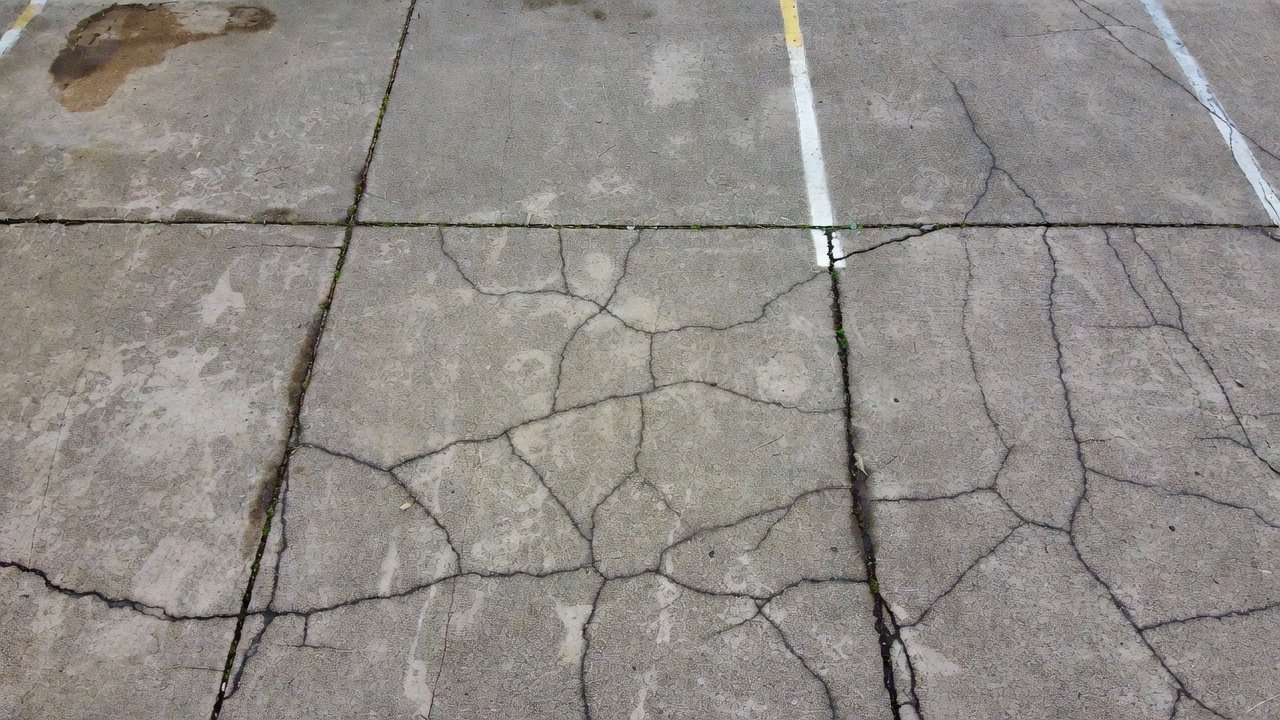
Most crack-related budgets go wrong because cracks are treated as one category. In reality, a crack is a symptom. Some cracks are mostly cosmetic and stable. Others are active, letting water and grit into the slab and accelerating damage.
Crack repair methods you will see on quotes
- Sealant over a routed crack: the crack is opened and cleaned so sealant can bond. Good for controlling water intrusion and preventing widening.
- Flexible joint sealant: best when the crack behaves like a joint. This is common near control joints and edges where movement is expected.
- Injection: used when bonding or waterproofing is needed. It is not always necessary for surface cracks, but it can be the right choice for structural concerns.
How to avoid paying for the wrong crack repair
Ask one practical question: Is the crack moving? If it is, a rigid fill is often a short-term cosmetic fix. If it is stable, a well-prepped seal can be a cost-effective way to protect the slab.
Curbs: patch vs replacement (and why corners cost more)
Curb repairs are common in Vancouver because curbs take daily impacts: tires, delivery trucks, snow equipment, and repeated turning. Curbs also channel water, which means cracks and chips can become freeze-thaw entry points in exposed areas.
When patching a curb makes sense
- Small face chips with solid underlying concrete
- No exposed rebar
- Damage limited to short sections, not a repeated pattern along the run
When curb replacement is usually the better value
- Sections that are broken through or crumbling
- Rebar exposure or signs of corrosion
- Repeated impacts at corners where patching has failed before
- Settlement that changes drainage or creates ponding
Corner sections often cost more because forming is more complex and traffic routing is harder. If your site has multiple damaged corners, bundling them into a single staged plan typically lowers the cost per corner.
Slabs: patch, level, or replace?
Slab repairs are where long-term cost is won or lost. If a slab is moving because the base has failed, patching the surface can look good for a short time but fail again. If the slab is stable and only the surface is damaged, partial-depth repairs can be an excellent option.
Use partial-depth patching when
- The slab is structurally sound and not rocking or moving
- Damage is localized: spalls, surface pop-outs, isolated potholes
- Edges can be cut back to solid concrete
Consider leveling or replacement when
- You see settlement or heaving that changes slope and drainage
- Trip hazards are widespread, not isolated
- Cracking patterns suggest base issues rather than surface damage
If you want background reading on slab issues and fixes, see concrete slab leveling for long-lasting parking surfaces and how potholes form and how concrete pothole repairs are done correctly.
Stairs: repair priorities for safety and liability
Concrete stair repairs get expensive fast when you wait too long, because the edge damage spreads. Stairs are also high-risk areas for slips and trips. For commercial sites, it is smart to treat stair noses, landings, and transitions as priority maintenance.
Common stair scopes
- Nosing repair: rebuilding or patching the leading edge of the tread, sometimes with a slip-resistant finish.
- Landing patching: partial-depth repair where spalls and delamination are forming.
- Crack and joint sealing: especially at transitions and wall intersections where water can enter.
For safety guidance around slips, trips, and falls, WorkSafeBC provides practical hazard information here: slips, trips and falls (WorkSafeBC).
Timeline and downtime: how long will repairs take?
Most concrete repair schedules have two parts: the active work (prep, forming, placement, finishing) and the reopen window (initial set, cure time, and safe return to traffic). Your quote should clarify both.
Typical planning expectations
- Small crack and joint scopes: often completed in a single visit, with pedestrian access once sealant is set (timing depends on product).
- Patch repairs: may need a reopen window, especially for vehicle traffic. Faster mixes can reopen sooner, but require tighter workmanship windows.
- Slab replacement and curb forming: usually staged to keep access open and reduce disruption.
Downtime is part of cost control. If your repair blocks a ramp, loading bay, or primary entrance, planning staged access often saves money compared to a “shut it all down” approach.
Mistakes that make concrete repairs fail early
Concrete repair failures often look like “bad material,” but most are actually prep, moisture, or movement problems. Here are the most common issues that shorten lifespan.
Skipping saw-cut edges and bonding steps
Surface patches need a solid perimeter and clean substrate. Feather-edged patches are more likely to pop off under traffic and freeze-thaw cycles.
Filling moving cracks with rigid product
If a crack is acting like a joint, rigid filler can break again. A flexible sealant is often the better value even if it costs more per linear foot.
Ignoring drainage and water sources
In Vancouver, water intrusion accelerates damage. If a curb channels water into a damaged slab edge, the repair will be under stress. Fix the path, not only the symptom.
Not managing access and protection
Fresh repairs need protection from early traffic. A repair that is stepped on too soon can be damaged before it cures.
“These guys are awesome! They did the line painting and asphalt/concrete repairs throughout our complex. They were prompt, courteous and did an amazing job.”
Client review, City Wide Environmental Cleaning
What property managers ask us
“Can we patch it now and replace later?”
Sometimes. If the goal is to remove a trip hazard quickly or stop water intrusion, a targeted repair can be a smart bridge. The key is choosing a method that does not create a bigger problem later, like trapping water or creating weak edges.
“Will repairs look consistent?”
Concrete repairs rarely match perfectly, especially on older slabs. The goal is a clean, safe, uniform surface. If appearance is critical, discuss finish expectations and whether a broader restoration approach makes more sense.
“How do we minimize disruption?”
Staging is the answer: plan work zones, keep a safe pedestrian path, and schedule louder or dustier prep during low-traffic windows. For parkades and commercial sites, clear signage and routing is part of a professional scope.
Helpful resources on City Wide services
- Concrete repair services for commercial and strata properties
- Vancouver service area for parkade and property maintenance
- Asphalt and blacktop repair for parking lots and drive lanes
- Line painting to restore traffic flow after repairs
Related reading
- Why concrete cracks and how to repair it
- Best practices for concrete expansion joint filling
- Concrete slab leveling for long-lasting parking surfaces
- Concrete resilience: best treatments for oil stains
Plan repairs now, avoid emergency replacements later
We help Vancouver property managers prioritize concrete repairs that reduce liability and protect your asset.
- Crack sealing and joint resealing plans
- Curb and slab repairs for traffic and drainage control
- Stair edge repairs with safer transitions
FAQ: concrete repair cost and planning in Vancouver
Is it cheaper to repair concrete cracks or replace the slab?
For stable cracks, sealing is usually far cheaper than replacement and can protect the slab from water intrusion. If the slab is moving or the base has failed, replacement or leveling can be the better long-term value.
How do I know if a crack is “structural”?
Structural concerns often show up as displacement (one side higher), widening over time, or repeated cracking after repair. If you see movement, ask for a method that accounts for it instead of a cosmetic fill.
What is the fastest repair for trip hazards on sidewalks or walkways?
Trip-hazard grinding can be fast for small height differences. For spalls or broken edges, a properly prepped patch is safer and more durable, but may need a reopen window.
Do repairs in a parkade cost more?
They can, because of staging, ventilation, access constraints, and keeping routes open. The upside is that bundling multiple repairs in one visit often improves overall cost efficiency.
How long before vehicles can drive on repaired concrete?
It depends on the material and weather. Faster-setting products can reopen sooner, but every scope should include an agreed reopen time for vehicle traffic and pedestrians.
Why do concrete patches sometimes pop out after one winter?
Common causes include inadequate perimeter prep, moisture issues, or movement beneath the repair. The best repairs remove weak concrete to a sound edge and use the right bond steps for the environment.
Can you match the color of existing concrete?
Perfect color matching is uncommon, especially on older slabs. The goal is a clean, uniform, safe surface. If appearance is a priority, discuss finish expectations and whether a broader restoration approach fits.
What should I provide to get a faster quote?
Photos of each area, basic measurements (linear feet, square footage, and stair counts), and notes about access constraints. If you can, include a wide shot that shows traffic flow around the repair zone.
Do you service areas outside Vancouver?
Yes. City Wide serves Vancouver and surrounding Lower Mainland areas including Burnaby, New Westminster, Surrey, Richmond, Coquitlam, Delta, Langley, Maple Ridge, and more.
Next step: get a Vancouver concrete repair plan you can budget and schedule
If you are budgeting for cracks, curbs, slabs, and stairs, the fastest path to a reliable number is a clear scope. Measure by category, match the method to the failure mode, then plan access and downtime. That approach avoids the most common mistake: paying for a quick cosmetic fix that fails early.
When you are ready, start with City Wide’s concrete repair service or confirm coverage on the Vancouver service area page.
Request a concrete repair quote for your Vancouver property
We scope the repair, stage access safely, and help you prioritize the fixes that protect your facility and reduce risk.
Request a Quote