
Commercial pressure washing cost in Vancouver: a practical estimator
If you need a realistic budget number (and not a vague “it depends”), this guide shows you exactly what drives commercial pressure washing pricing in Vancouver and how to estimate your own project in minutes.
Table of Contents
Request a Quote View Pressure Washing Service
- Established 1989
- Fully insured
- WorkSafeBC certified
- ComplyWorks
- Avetta
Prepared by City Wide Environmental Cleaning® (Greater Vancouver parking and industrial cleaning specialists). Reviewed by Victor Ramos, Owner.
Fast estimator: what you can budget before getting quotes
- Basic commercial washing commonly prices by square foot. National commercial ranges are often cited around $0.10 to $0.35 per sq ft for basic work, with higher ranges for heavy staining.
- Intensive cleaning (grease, gum, graffiti, dumpster pads) costs more because it needs dwell time, specialty chemistry, and slower production.
- Runoff control matters in Vancouver. When wash water can reach drains, recovery and containment planning can change the quote. Metro Vancouver notes urban stormwater typically flows to waterways and picks up pollution on the way.
- To tighten the estimate, you only need 6 inputs: surface type, total area, stain severity, access constraints, water source, and where the water will go.
Why commercial pressure washing pricing feels inconsistent
Commercial pressure washing is priced like a production job, not a retail menu item. Two sites with the same square footage can cost very different amounts because the “real” drivers are time on site, safety setup, and what it takes to keep wash water and debris controlled.
In Vancouver, that last piece can matter more than people expect. Most properties connect to storm infrastructure, and stormwater in urban areas is designed to move quickly, often straight to local creeks, rivers, or the ocean. That is why many property teams ask vendors about containment, drain protection, and what happens to sludge and debris after cleaning.
The Province of British Columbia also notes that local governments have authority to implement bylaws that prevent releasing contaminants into storm drains. For commercial sites, that can translate into practical requirements like blocking off drains, filtering solids, using appropriate detergents, and sometimes reclaiming wash water.
Typical price models you will see in Vancouver
Most commercial vendors quote one of four ways. Understanding which one you are being offered helps you compare apples to apples.
| Pricing model | Best for | What to watch | Common range references |
|---|---|---|---|
| Per square foot | Sidewalks, storefront pads, parkade floors, large flat surfaces | Confirm what is included: pre-sweep, gum, oil, rinse water control, disposal | Commercial ranges are often cited from $0.10 to $1.00 per sq ft depending on intensity. |
| Hourly | Mixed surfaces, tight access, unknown staining, troubleshooting | Ask for a “not-to-exceed” cap or production expectation | Hourly references are commonly cited around $50 to $150 for commercial work. |
| Flat fee | Small sites or bundled scopes (wash + touch-ups) | Make sure scope boundaries are written clearly | Small commercial areas are often cited around $200 to $500, large sites $600 to $3,000+. |
| Per space / per visit contract | Parking lots, scheduled maintenance, predictable outcomes | Confirm frequency, after-hours access, and performance standards | Parking lots are sometimes priced per space (for example, $8 to $20 per space cited in some cost guides). |
Note: The ranges above are widely cited benchmarks. Your actual Vancouver quote will hinge on access, water control, and staining conditions, which this estimator accounts for.
The practical estimator: get to a budget number in 6 steps
This is the same structure property managers use to sanity-check quotes. You can run it on a napkin, a spreadsheet, or in an RFP.
Step 1: Measure the cleanable area
Use a site plan, Google measurement, or tape measure. Separate areas by surface and difficulty (for example, sidewalk vs dumpster pad vs parkade ramp).
- Sidewalks and walkways (sq ft)
- Parkade floors by level (sq ft)
- Walls, columns, and overhead pipes (linear ft or sq ft)
- Dumpster pad (sq ft)
Step 2: Pick a base rate band by intensity
Start with a square-foot range and move up only when you see heavy staining or special requirements. A commonly cited commercial baseline is $0.10 to $0.35 per sq ft for basic washing, and $0.40 to $1.00 per sq ft for intensive work.
Rule of thumb: if you need dwell time, agitation, or multiple passes, treat it as intensive.
Step 3: Add access and safety complexity
Complexity increases setup time and slows production. Add a contingency line item (often 10% to 35%) when any of these apply:
- Active retail traffic or loading zones
- Tight parkade clearance, ramps, or columns everywhere
- Overhead work (pipes, ceilings) needing lifts or long-reach tools
- Night or weekend scheduling to avoid disruption
Step 4: Plan wash water control
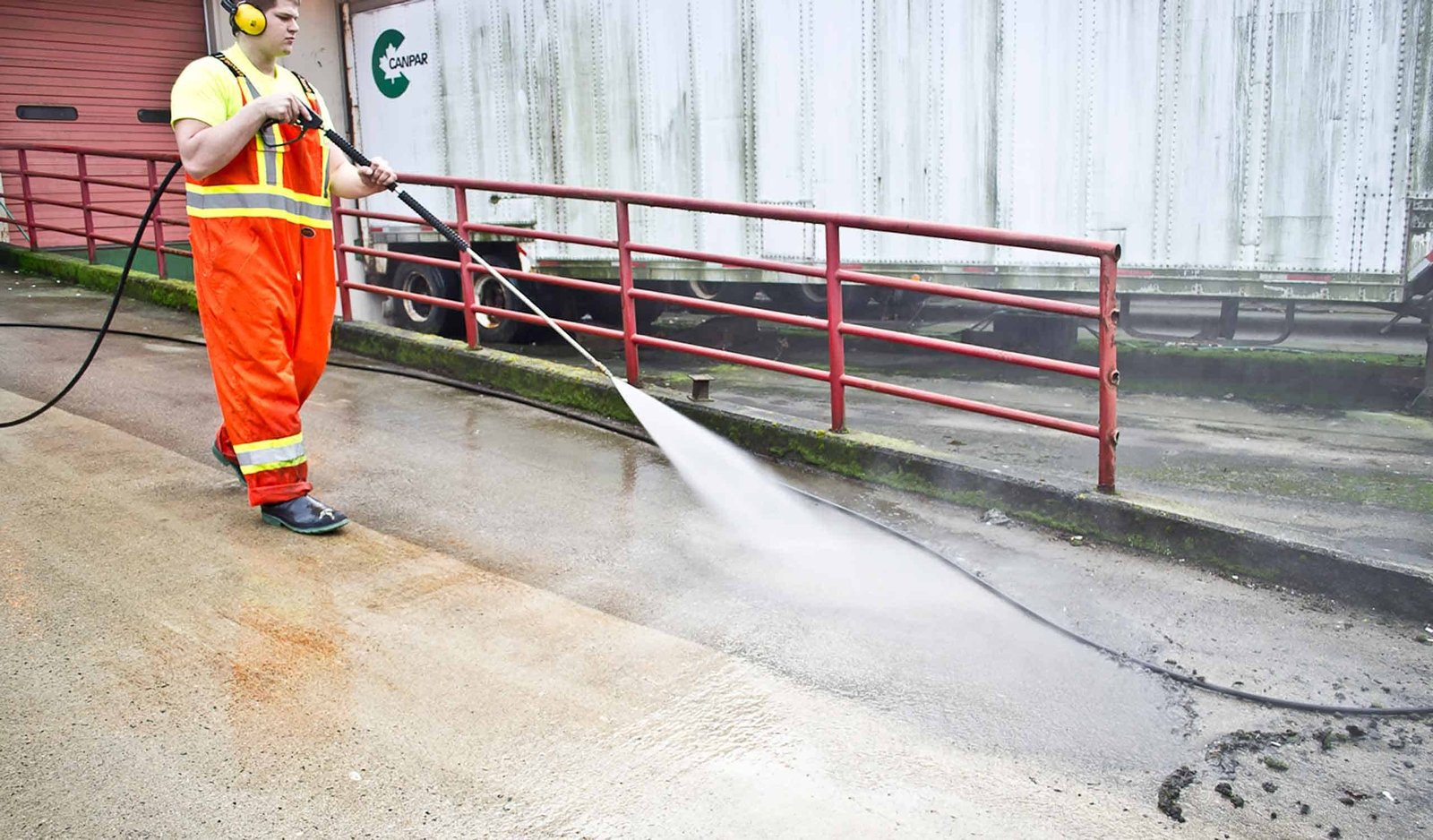
Ask one question: Can wash water reach a drain? If yes, plan for drain protection, filtration, recovery, or routing to a suitable sanitary connection depending on site conditions and requirements.
Metro Vancouver explains that stormwater entering street drains typically flows to waterways and can carry pollution. That is why many commercial sites require extra control steps.
Step 5: Add specialty add-ons only where needed
These are the most common cost adders because they are time-intensive:
- Gum removal at storefronts and sidewalks
- Oil spot treatment and degreasing
- Dumpster pad deep cleaning (often one of the highest per sq ft zones)
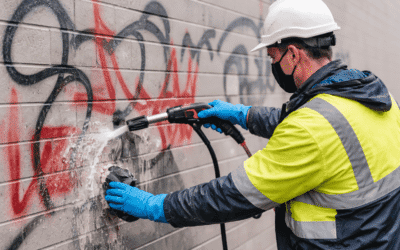
- Graffiti and adhesive removal
- Hot water requirement for grease-heavy areas
Step 6: Choose one-time vs maintenance pricing
One-time deep cleans cost more per visit than scheduled maintenance because buildup is heavier. Many cost guides note monthly service contracts exist and can price differently than one-off work.
If your goal is curb appeal and slip risk reduction, quarterly or semi-annual service often stabilizes budgets.
Estimator worksheet: plug in your numbers
Use this worksheet to produce a planning estimate you can share internally. Then use it to compare vendor quotes line by line.
| Area | Measure | Intensity | Suggested base range (CAD) | Adders to consider |
|---|---|---|---|---|
| Sidewalks, walkways, entrances | ____ sq ft | Basic to moderate | $0.10 to $0.35 per sq ft | Gum removal, traffic control, after-hours access |
| Building exterior (low rise sections) | ____ sq ft | Basic to intensive | $0.15 to $0.90 per sq ft depending on material and access | Soft wash vs pressure wash, lift needs, window protection |
| Parkade floors (by level) | ____ sq ft | Basic to moderate | $0.10 to $0.25 per sq ft (typical cited range) | Oil spotting, ramp intensity, drain protection, water recovery |
| Parking lot surface | ____ spaces | Basic to moderate | $8 to $20 per space (pricing method cited in some guides) | Oil removal zones, sweeping first, scheduling around traffic |
| Dumpster pad | ____ sq ft | Intensive | $0.75 to $1.00 per sq ft (often highest) | Hot water, degreaser dwell time, wash water recovery |
How to total it: Add each area subtotal, then add a contingency for complexity (10% to 35% is common for planning), then add any specialty add-ons you know you need.
Three example budgets for common Vancouver commercial sites
These examples show how the same pricing bands change once you factor in access and staining. Use them to set internal expectations before you collect quotes.
Example A: Retail storefront sidewalk and entry pad
- Area: 2,000 sq ft sidewalks and entry zone
- Condition: moderate grime + visible gum near doors
- Base: 2,000 × $0.10 to $0.35 = $200 to $700
- Add-on: targeted gum removal (time-based), plus traffic control if daytime
- Planning total: budget low four figures when gum and operating-hours constraints exist
Example B: Condo parkade levels with ramps and drain considerations
- Area: 25,000 sq ft (multiple levels and ramps)
- Condition: typical tire marks + light oil spotting
- Base: 25,000 × $0.10 to $0.25 = $2,500 to $6,250
- Complexity: ramps, columns, and staged closures can add 10% to 35%
- Water control: if wash water can reach drains, plan for drain protection and capture steps (site dependent)
- Planning total: mid four figures to low five figures depending on staging and requirements
Example C: Restaurant dumpster pad deep clean
- Area: 400 sq ft
- Condition: grease, odor, buildup
- Base: 400 × $0.75 to $1.00 = $300 to $400
- Likely adders: hot water, degreaser dwell time, wash water recovery planning
- Planning total: often higher than people expect for the size because it is slow, intensive work

Want an exact number instead of a range?
Send us your square footage (or a rough site plan) and the 6 inputs from the estimator. We will scope it properly so you can budget with confidence.
- Commercial and industrial properties across Greater Vancouver
- Trained, insured technicians with specialized equipment for parkades and tight access areas
- Clear scope, staging plan, and documentation-friendly quoting
What drives cost up (and how to spot it during a site walk)
1) Surface type and sensitivity
Concrete can usually tolerate higher pressure and cleans faster. Painted surfaces, aging sealants, and some cladding materials may require soft washing or lower pressure, which slows production. If a vendor asks detailed questions about surface material, that is a good sign.
2) Stains that require chemistry and dwell time
Oil, grease, gum, and organic growth are time multipliers. They are not just “more dirty.” They often need degreaser, agitation, hot water, or multiple passes. That is why “intensive” ranges can run much higher than basic washing.
3) Access constraints and safety setup
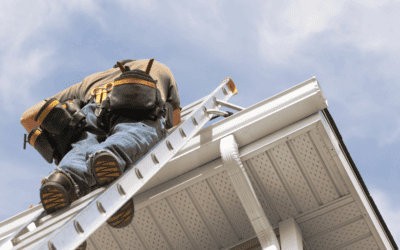
If the crew needs lifts, long-reach wands, fall protection planning, or additional spotters, your costs reflect that. WorkSafeBC highlights the force of pressure washers and the importance of assessing risk and using stable work platforms when working at heights.
4) Water source, drainage, and wash water control
On some sites, the biggest variable is not the washing itself. It is what you must do to prevent debris and wash water from entering storm infrastructure, and how you manage runoff around drains and slopes. Metro Vancouver’s stormwater overview explains why runoff can become a pollution pathway.
5) Scheduling and disruption management
After-hours work can reduce tenant disruption and improve safety, but it can also change labor costs and staging time. If your site is a busy retail plaza or an active loading area, include this in the scope early so quotes stay consistent.
How to reduce total cost without cutting corners
- Bundle complementary services: For large exterior jobs, pairing pressure washing with power sweeping can reduce time spent pushing debris into corners before washing.
- Target the “high-visibility zones” more frequently: Entrances, crosswalks, and dumpster pads often benefit from scheduled cleaning while back-of-house areas stay annual.
- Fix drainage issues early: If drains are slow, water will pool and washing takes longer. Consider hydro jet drain cleaning or vac truck services as preventative maintenance.
- Provide access: A working water source, clear access, and a staging plan (cones, closures) prevents paid downtime.
- Ask for unit pricing: Even if you accept a flat fee, request unit rates for add-ons (gum, oil) so you can scale scope intelligently.
What City Wide typically pressure washes for Vancouver commercial properties
If you manage multiple facilities, it helps to think in “surfaces” rather than “jobs.” Here are the most common commercial scopes we see across Vancouver and the Lower Mainland:
- Sidewalks, walkways, storefront aprons, and entry pads
- Parkade floors, ramps, curbs, barriers, stairs, and walls (see parkade cleaning)
- Overhead pipes and ceilings where safe access is available
- Loading bays, warehouse aprons, and service corridors
- Dumpster pads and waste enclosure areas
- Parking lot islands, curbs, and select hot-spot zones (oil and tire mark areas)
For localized service info, see Vancouver pressure washing.
Common concerns property managers ask us
“Will this disrupt tenants or customers?”
Not if the scope includes staging. The best quotes include a closure plan (what is blocked, when, and how long), plus a sequence that keeps your site functional.
“Are you insured and safety compliant?”
Commercial pressure washing is not a “just spray it” task. It involves high force water and sometimes elevated work. WorkSafeBC resources emphasize risk assessment and stable platforms for pressure washing tasks.
“What happens to the dirty water?”
This is site-specific, but the planning starts with understanding where water flows and where it can go. Metro Vancouver notes stormwater commonly drains to local waterways and can pick up pollution. For commercial sites, that often means drain protection and debris control are part of doing the job responsibly.
“Can you document the work for our records?”
For many strata and commercial operations, the value is not only the clean surface. It is also having a clear scope, schedule, and completion confirmation you can keep in your maintenance file.
FAQ: commercial pressure washing cost in Vancouver
How much does commercial pressure washing cost per square foot?
Commercial cost guides commonly cite wide ranges based on intensity, such as $0.10 to $0.35 per sq ft for basic work and $0.40 to $1.00 per sq ft for intensive cleaning (grease, graffiti, heavy staining).
What areas are usually the most expensive to clean?
Dumpster pads and grease-heavy zones are often the costliest per square foot because they need degreaser, dwell time, and detailed rinse control. Some cost guides cite dumpster pads around $0.75 to $1.00 per sq ft.
Do vendors charge hourly or by the job?
All of the above. Many quotes are per square foot for flat areas, hourly for mixed or complex sites, and flat fees for smaller scopes. Commercial guides commonly cite $50 to $150 per hour as a benchmark range.
Why does runoff control affect the price so much?
If wash water can reach drains, the crew may need additional steps like drain protection, filtration, or recovery to keep debris and contaminants out of storm infrastructure. Metro Vancouver describes how urban stormwater commonly reaches waterways and can carry pollution.
Is pressure washing the same as power washing or soft washing?
They are often used interchangeably, but in practice “soft washing” typically uses lower pressure and chemistry for sensitive surfaces. For a deeper comparison, see Pressure Washing vs Power Washing.
How often should commercial properties in Vancouver schedule pressure washing?
It depends on traffic and use. Many properties do quarterly entrances and sidewalks, and annual or semi-annual parkade cleaning. If you have recurring oil or drain issues, pairing washing with hydro jetting and vac truck service can improve outcomes.
Can pressure washing reduce slip risk?
Removing algae, grime, and greasy buildup can improve traction in walkways and ramps. If slip risk is a concern, tell your vendor which areas have had incidents so they can prioritize those zones and choose the right method.
What information should I send to get an accurate quote fast?
Send: (1) approximate square footage by area, (2) photos of staining, (3) access constraints and clearance, (4) water source location, (5) where drains are and where water flows, and (6) your preferred schedule window. That usually produces a tighter, more comparable quote.
What other services pair well with commercial pressure washing?
For parking facilities, pressure washing is often paired with parkade cleaning, power sweeping, catch basin cleaning, and line painting to keep the site safe, compliant, and presentable.
Where can I learn more about stormwater and why wash water control matters?
Two helpful local references are Metro Vancouver’s stormwater and drainage overview and the Province of BC’s stormwater infrastructure guidance.
Next step: get a quote that matches your scope
Use the worksheet above to define your areas, intensity, and constraints. If you want, send those details to City Wide and we will convert them into a clear, documentation-friendly scope with staging considerations for your Vancouver site.
Request a Quote View Vancouver Service Area
Related reading: Pressure washing vs power washing, Parking lot catch basin maintenance, Prevent parking lot flooding, Best treatments for oil stains.